Tuesday, June 09, 2009
THE PATHS FROM LOURDES
Day two and three - Asson to Arudy and on to Oloron - we walked on the paths all the way to Arudy. Through farms, fields, woods and small village roads.
Day Four from Oloron to Sarance we walked on the road for about 3km and then took the 'cehmin' path through a very wet, muddy, slippery forest. In places it was almost unegotiable and we did a 'slippy-sloshy-slide' for about 4km. Parts of the path were then on roads but once again we were led off road and the mud was so thick it stuck to our boots until we felt as though we were on skates!
The last few kms were a combination of small roads and paths, one section in a stream bed which at least cleaned most of the mud off the soles of our boots.
Will up-date after tomorrow's stage if we find an internet at Borce.
Thursday, May 28, 2009
WWW.2009PILGRIMS.BLOGSPOT.COM
Here is my itinerary for the next 5 weeks:
4th June - Fly to France.
5th June - Arrive in Lourdes
6th - 11th June - Walk to Spain via Oloron Ste Marie and the Somport Pass

12th - 19th June - Walk on the Aragones Route to Pamplona
20th June - Train to Lugo
21st - 26th June - Bus to Ferrol, start walking the Camino Ingles to Santiago
27th -30th June - Walk to Finisterre and back to Corcubio
30th June - 13th July - Hospitalero at the Albergue San Roque in Corcubion


Four different routes in four weeks and a first time stint as a volunteer in a pilgrim shelter - like a dream come true!!
| Reactions: |
Thursday, May 21, 2009
A journey can become a sacred thing
Oliver Statler (a Shikokupilgrim who wrote 'Japanese Pilgrimage')
A journey can become a sacred thing,
Make sure, before you go,
To take the time
To bless your going forth,
To free your heart of ballast
So that the compass of your soul
Might direct you toward
The territories of spirit
Where you will discover
More of your hidden life,
And the urgencies
That deserve to claim you.
May you travel in an awakened way,
Gathered wisely into your inner ground;
That you may not waste the invitations
Which wait along the way to transform you.
John O’Donohue, from - To Bless the Space Between Us- A Book of Blessings:
There was quite a long thread on one of the camino forums about preparing spiritually for the camino. The subject raised the hackles of some pilgrims and caused confusion amongst others who interpreted 'spiritual' as 'religious' preparation.
I can understand those who prepare for a religious experience on the camino (after all, it has always been a Christian pilgrimage) but I don't know much about spiritual preparation.
What I do know is that with only two weeks to go (I'll be flying out of Johannesburg two weeks from today) I feel that my 'spirit' has already gone before me! It's a strange phenomenon, this feeling of withdrawing from your everyday life, from those around you - nothing is important because soon, very soon, "I will be on the camino". I am starting to feel like a pilgrim. I feel as though my psyche is preparing for the hardship, the cold, heat, hunger, camaraderie, leaving places behind, always moving forward of a pilgrim's life. Perhaps it is this letting go, opening up, inviting the pilgrim way to take over that is a spiritual preparation?
I have prepared all the practical details - travel arrangements, flights, train times, getting from A to B to walk to X, W, Z.
I have prepared rough itineraries for the 4 different routes we will walk and have booked a few hotels in places where we will start those walks.
I have prepared my body by training hard, walking in the new boots, having a medical check-up, collecting the medication I need to take while I'm away (asthma pump, nasal spray, bone pills and calcium tablets.)
My backpack is ready. I think I've packed and weighed and repacked and weighed everything at least a zillion times! It is standing in the corner of my spare room, patiently waiting to be hoisted onto my back and carried off on its long trek. It weighs just under 5kg.
I have deleted about 15 Google Alerts so that my Gmail inbox isn't overloaded when I clear it on the camino. I have unsubscribed from daily email digests, from e-newsletters, and from the thrice daily NEWS alerts that no longer seem important.
I have been telling friends that I am leaving on the 4th June and have already been left out of arrangements being made for while I am away.
This 'clearing out' daily details is like '...freeing the heart of ballast so that the compass of your soul might direct you toward the territories of spirit..'
In the middle ages pilgrimage was often penitential and was undertaken as a journey of expiation. It was a journey of the soul - literally to save the soul. For me, walking the camino is food for the soul. Leading a minimalist life, walking in the country day after day in the footsteps of millions that have gone before, communing with nature and strangers is soul restoring.
Last weekend we went to the mountains to do some hiking and the mountain scenery, gravel paths, rocky river beds and undulating terrain had me transported to the Irago Mountains. "This is just like the camino" said Marion. I smiled, knowing that she was also transported back to the camino.The planning and anticipation of walking a camino is almost as special and exciting as the actual walking. I know that others feel the same. Every time I walk a camino I learn more about myself, about people, about the world we live in. I have reached the stage now where I am dreaming the camino.
I can't wait!!
| Reactions: |
Wednesday, April 08, 2009
WALKING THE CAMINO IN SPRING


These photos are obviously NOT what you want to see in Spring on the Camino!! They were taken between February and April in Galicia.
THIS IS MORE LIKE IT!!
Free wall paper - Endless Poppies in Spain by: http://crazy-frankenstein.com/A few months ago I wrote a post on "Walking in Winter" with lots of photos and links to blogs about walking in winter. It was very useful for people planning to walk between November and March. Here is some info on walking in Spring.
Many people ask the question - "What will the weather be like in ....... March, , June, September? There are websites with some general stats for daily temperatures, average rainfall and so on for most of Spain, but the weather has been so unpredicatble the last few years that it is really difficult to advise anybody about the weather.
The camino forum - www.pilgrimage-to-santiago.com/board/weather-in-spain/ has a discussion section on the weather and you can find daily and 7 day forecasts for most Spanish towns, even small ones here:
Weather:
Check the weather history here:
http://www.peterrobins.co.uk/camino/weather.html
http://www.gaisma.com/en/dir/es-country.html
What will it be like in spring?
Spring, late spring that is, can be a wonderful time to walk the camino. Everything is green and the wild flowers are spectacular.Although the first of March is regarded as the start of spring on the coast and in the coastal mountain valleys, it comes a few weeks later on the colder central plain and in the high mountain areas – sometimes as late as May in the snowy villages of the Pyrenees.
By then the spring bulbs are flowering, fruit trees are blossoming, the early almonds are followed in succession by peach, plum, nectarine, quince, pears, avocado, mandarin, oranges, grapefruit and cherries etc..(http://gardeninginspain.com/)
Spain is the second largest producer of cherries in Europe and the seventh largest producer in the world.
Spring is the 'growing and flowering' season so fruit and some vegetables might be scarce until early summer. (September is the harvest festival season). The wheatfields of the meseta are like rolling, rippling seas of green and when you are in the 'Zen zone' you can hear the crickets and the wind in the wheat. In summer and autumn the wheat fields turn to ochre and gold and by October there are massive hay towers in the fields.
What else is special in Spring?
The large white and black European storks return to their gigantic nests atop church towers and structures in early spring. You will see them swooping down into the fields to find food for their young who sit upright in those gigantic nests, clapping their bills loudly, calling for food.For anyone into birding, it is interesting to know that Spain is considered the ‘last bastion’ for Europe’s declining bird populations and according to Howard Youth, a Contributing Editor to ZooGoer who lives in Madrid, all told, about 70 percent of Europe's 495 bird species either visit or breed in Spain. However, Poland is the ‘kingdom’ of the stork and there is no other country with more stork residents per square kilometre. (Visit http://www.poland.pl/ for more info).
About 3000 pairs nest in Spain each spring. The storks - Ciconia - (cigüeña in Spanish) have been building their nests on man made structures since the middle ages when the great forests disappeared in favour of agriculture. According to an article in AMIGOS (June 2004) they form monogamous pairs for breeding but do not migrate together. They reappear at the same nest site in late winter and early spring.
The last stork nest in Great Britain was deserted in 1416. The Dutch name of the stork – ooievaar – comes from old German odobero – bringing luck (ode – luck, baren – bring).
In the Arab world the Muslims believe that storks incarnate the souls of those who did not manage to fulfill their duty of pilgrimage to Mecca. Thus they take this journey in the body of a bird. This is why Muslims feel great respect towards storks, and killing them is equal to killing a man.
From 1934 to 1941 a family of storks was observed 400 km east of Cape Town. At the end of the 1920s storks built a nest in Bredasdorp 200 km east from Cape Town and 25 km north from the Cape Agulhas (southernmost tip of Africa). Storks breed in Bredasdorp till this day. What is more, there were seasons when up to four nests were inhabited in Bredasdorp.
Decades ago, a few nestlings were taken out of Bredasdorp nests to be brought up in the Tygerberg ZOO near Cape Town. In 1975, encouraged by the presence of their kin, wild storks built a nest in the ZOO. Since then storks breed in Tygerberg ZOO every year. In 2000 there were five wild stork nests.
Most guidebooks will tell you that the best time to walk a camino is in May and June or September and October.
Why not in springtime?
Because, walking earlier than May you could, and most probably will, experience snowstorms and blizzards. By November winter is setting in again.
July and August are very hot months and August, being the European holiday month when schools, colleges and factories close, is exceptionally busy on the camino.
The video DVD - "Within the way without", which inter-weaves the pilgrimage stories of a winter, spring and summer pilgrim, clearly shows the different landscapes through the seasons.

As the camino has become more and more popular, people are walking earlier in the year to escape the crowds.
In 2007 the pilgrims' office in St Jean recorded interesting stats on the numbers of pilgrims in the months of March, April and early May that showed that the beginning of May was a peak time on the camino with an average of 238 pilgrims per day starting or passing through St Jean Pied de Port.
http://www.aucoeurduchemin.org/spip/IMG/PDF/stati.pdf
The graph on the website shows two high seasons. One from 23 April to late May with a very high peak from 7 to May 13. (1668 pilgrims in 7 days, an average 238 pilgrims per day).
The 2nd high season from August to mid-September is less clear, since there was a drop in numbers in the 2nd half of August.
As in previous years, in 2007 there was a pronounced decline in June-July with about 900 pilgrims per week.
The table highlights the popularity of May and August in 2007 as in 2006 with significant increases of 127% and 124%
2004 2005 2006 2007
March 453 443
April 2325 2007 2427 3324 134%
May 3946 4651 4749 6025 127%
June 2731 3382 3791 4342 115%
July 3288 3945 3850 4366 113%
Aug 4001 4240 4536 5605 124%
Sept 3241 3569 3991 4820 121%
Oct 1232 1183 1477 1570 106%
Nov 196 169
Walking in early spring has other problems besides snow storms and freezing temperatures. A pilgrim may have to contend with these situations too:
1) Many albergues are still closed.
- In 2009, Esprit du Chemin in ST Jean Pied de Port opens on 4th April and closes 26th September.
- The albergue Orisson (between St Jean and Roncesvalles) is only open between March and October.
- The municipal albergue in Zubiri also opens from March to October.
- In Pamplona, the German albergue - Casa Paderborn - is open from April to October and the new albergue of Jesus y Maria opens after Easter and closes in October.
3) It can snow right up to May in the high places and for the past 3 years March and April have had cold, snow and rain.
- If it snows, many of the markers and yellow arrows will be covered.
- You might have to walk on the roads which can be dangerous.
Read this blog's entry for the 6th March 2008:
http://mscamino.blogspot.com/2009/03/new-pilgrims-arriving-at-foncebadon.html
"Our third day here has begun. The main room now resembles descriptions of Mt Everest base camp! Several new pilgrims who were stuck at Rabinal have made it here since the storm seems to have broken. Supposedly the road is being plowed so if no change for the worse occurs tomorrow I will try to continue. Outside there are at least 75 centimeters [snow] on the ground with much deeper drifts."
In 2005/2006/2007 and 2008 - March and April were unseasonally cold with late snows and heavy rain. Mud slides and floods closed some of the camino paths and pilgrims had to take transport or long detours on roads to get from one village to the next.
24th March 2008:
A pilgrim struggles up the snow laden path to the Alto del Perdon. The Collegiate of Roncesvalles was snowbound after heavy snowfall whichfell for two days on the area. One of the
strongest storms in recent years resulted in snow levels of between 60cm and 1.2m deep
March – April 2008:
Truth is, anyone who takes the route from Roncesvalles before May is running the risk of slogging through puddles and mud, snow or rain. I did it in April, and had ankle-deep mud to contend with, as well as driving rain. It was misery, but thankfully we had stopped at Larrosoaña on the way up and reserved a room at the same house where the meals are served. (That was one of the finest hot baths ever taken!) Through the rest of my camino I felt miserable several times, but I could look back on that first day and tell myself, "Hey, at least its not THAT bad!" (Rebekah Scott)
In 2005 and 2007 pilgrims died crossing the Pyrenees from St Jean to Roncesvalles in March and April and in 2008 many snow bound pilgrims had to be rescued from various passes.
What about 2009?
Spring 2009
Early March started off with a cold snap and then the weather improved and according to this blog, they had 16 straight days of sunshine from the 11th to the end of March with cold weather in the high places (which is to be expected) but a few days of over 20oC.
http://artos-camino.blogspot.com/2009_03_01_archive.html
http://3.bp.blogspot.com/_kBgjQo6Ymps/SdzKUI_QJLI/AAAAAAAABwA/1C7k-rbCpAo/s1600-h/60660709_21mai8MaeruVillamayordeMonjardinQuandlafamillenepeutnousbordercesontlescheminsquilefont.jpg
http://www.youtube.com/watch?v=FwIKOHe949o
But, by mid April, things changed.... This blog describes snow on the way from St Jean to Roncesvalles, freezing temperatures and rain. These Australian peregrinas ignored the advice of the locals in St Jean NOT to take the Route Napoleon and carried on regardless. They were fortunate - they survived to tell their happy tale but in the past 10 years, at least 10 pilgrims have not lived to tell theirs and their stories are written on their grave stones. PLEASE - listen to the locals if they warn you not to walk the cross country route from St Jean to Roncesvalles. Take the road route - it is the 'authentic' pilgrims' route
and a much safer alternative.http://micheleandchrisscamino.blogspot.com/
Easter 2009: Photos - Diaro Navarra
Intense snow has resulted in an Orange Alert on roads in Navarra.
The rain began to fall with intensity from 15:00 hours and the snow came down on the asphalt. A snowplough cleared the road to allow the movement of trucks.
Orange Alert was activated in Navarre forecasting snow this afternoon. According to the last message sent by the State Meteorological Agency (AEMET), the center of Navarre recorded snowfall of 8 inches in 24 hours.
Two hikers were rescued from Burgos on Saturday night on the peak San Lorenzo (La Rioja), at 2271 meters above sea level, after being crushed by a large amount of snow just before the adverse weather conditionsof up to 10 degrees below zero. Mountaineers themselves warned the emergency services of the emergency. After 30 hours the two hikers were located unharmed and led the team of rescue until the parking Valdezcaray, where they arrived around midnight
16th April
http://www.diariodenavarra.es/ reports:
Troops of the Fire Service of the Government of Navarre rescued eight Camino pilgrims this afternoon near Roncesvalles who were in difficulties because of intense storms occurring during the whole day in the Pyrenees of Navarre. The rescues were carried out in three different incidents.
When the first troops were rescuing a pilgrim of 45 years, they were asked by another pilgrim to help three other companions who were about 4 miles from Roncesvalles and showed signs of exhaustion and mild hypothermia. Then, at about 18.16 pm, the Fire Service was called out to help four French pilgrims who had lost their way on the same route. Finally, at 18.16 hours, four French camino pilgrims requested assistance of the SOS Navarre and Navarre Agency.
And on the Aragones route....
a pilgrim described how the Somport Pass was snowed in,
That night there was thunder, lightning and pouring rain. We met a Spaniard and a Frenchman who also wanted to go to Somport. When the bus came to take us up, the driver said that there was much snow but we decided to see for ourselves. Yes, the driver was correct...in fact a blizzard was still going on. We left and started walking but there were about 6-8 inches (16cm) of new wet snow. We could not even see the path, so walked the road down. I took a couple of Photos but not more because of the wind and snow. It was really beautiful when you could raise your head to look. It was a very steep decline so gravity helped us down. The snow became just cold rain. The path was a still very steep downhill trek made of rocks of various sizes from pebbles to small boulders. This made it very difficult to keep your balance, especially since the rain and runoff from the tops of the mountains turned some stretches into little streams of water. My ankles would be going one way, my knees another, and my hips still a different direction to keep balance. Along with this being my first day of walking, I was quickly becoming very tired and hurting a bit. I knew I would not be able to make it back to Jaca, and saw that there were accommodations in Villanúa. This meant only 16 km that day, but they were strenuous ones. Just as I got to the town, the temperature dropped, and a strong wind came up. Then it began to hail...pea sized hail. To my dismay, I found the first Refugio closed...and the second...and to my horror the only hostel in town was closed. I stopped in a bar and asked about a place to stay and they told me of some hotels on the main highway. By this time the hail was thickly frozen on my hat causing the brim to droop. I walked on to the highway. Then I saw a door open and a repairman was there talking to a lady (Isabel). I went up to them and told them of my situation. The lady invited me in, perhaps the frozen look of desparation spured her compassion. She and her husband (Felix)from Logroño were there on holiday. They made me hot tea and he phoned around to find that even the hotels on the highway were closed. He explained that the last day of ski season was Easter and that was probably the reason that everything was closed. It didn´t explain the refugios being closed...but then there were obviously not many "pilgrims" around. After sitting and warming up and getting refreshed.The weather had cleared up a bit, and Felix called the next village, Castillo de Jaca, and secured a room for me. Any room would have done, but this one had a tub...a rare and welcomed feature during my time in Spain. I soaked for a half hour. What a delight!!!!
All emotions that I experience here on the Camino, are more intense than normal. This is especially true when I experience these random acts of kindness like I did from Felix and Isabel. There seem to be a lot of mysteries on the Camino, and one is tuned to interpret them mystically. I chose to think that the hardships of that day set me up to have the peak experience of the kindness shown to me by these two EX-strangers. That is what I will take back with me from this difficult day. That is what will remain in my heart forever.
NB: This post is a work in progress - more to come in the next few days.
| Reactions: |
Sunday, March 29, 2009
MY "BUCKET LIST" OF PILGRIMAGE TRAILS
(Much of the text - and the photos - on this post has been copied from the relative websites. Please visit them for more info.)
The Abraham Path
The Abraham Path is a route of cultural tourism that retraces the journey made by Abraham (Ibrahim) through the heart of the Middle East some four thousand years ago. Three and a half billion people - over half the human family - trace their history or faith back to Abraham, considered the father of monotheism.
The Abraham Path honours this shared cultural heritage by linking into a single itinerary of outstanding interest and beauty the ancient sites association with Abraham and his family.
The centrepiece of the Abraham Path is a long-distance walking trail, beginning in the Turkish city of Sanliurfa, where many believe Abraham to have been born, and in the nearby ruins of Harran, where Abraham is said to have heard the call of God to 'go forth'. Initially covering a distance of 1200 kms the Abraham Path will pass through some of the finest landscapes, historic sites, and holy places of the Middle East before culminating at Abraham's tomb just south of Jerusalem in the city of Hebron/Al-Khalil. Eventually the route will extend to encompass Abraham's travels to and from Egypt, Iraq and Saudi Arabia.
Interesting blogpost on Abraham for history buffs:
http://www.mormonheretic.org/2009/04/02/jewish-muslim-and-academic-perspectives-on-abraham/
Plus, a video/dvd: www.amazon.com/Mysteries-Bible-Abraham-One-Man/dp/B000BF0CNY
........................................................................................................
St Francis of
1) Cammino di Francesco
2) Cammino di Assisi:
On this 300km route it appears that you are allocated a departure date once you have registered to do the walk. "The Cammino of Assisi follows the footprints of St Francis from Assisi and St Anthony from Padua.Unlike the Camino de Santiago in Spain, where you can decide whenever you want to start your pilgrimage, in Assisi this is not possible because of the limited number of beds now available.Departures will be planned with care to ensure comfortable conditions along the way."
350km from La Verna and the woods of the last hills of Tuscany, to the lovely wide Valley of Reiti in Lazio. Trough the most meaningful sites in the life of St Francis, the hills and valleys of Umbria, the geographical heart of Italy.
The new Guide offers 16 stages, breaking the route into two between Spoleto and Collescopoli, allowing the wayfarer to stop and enjoy the special aura of the ancient Franciscan hermitage at Romita di Cesi.
In spring of 2007 the German edition was published and we are hoping that it will be translated into many more languages.
The credential is issued by the Provincia Serafica dei frati Minori for Umbria.
Another website to download a brochure on a St Francis walk is: http://www.viafrancigenadisanfrancesco.com
On this website you will find a wonderful CBS video on St Francis called, "The Secrets of the Saint"
http://cbs4.com/video/?id=17621@wfor.dayport.com
Q: Why are there 3 St Francis walks - two that practically follow each other from the north?
A: Because the founders of the three routes have not yet been able to work together and each one offers a credential and a certificate if you walk 'their' route.
......................................................................................................................
ST OLAV'S WAY
www.pilegrim.info
Not long after the Saint King, Olav Haraldsson, fell in battle at Stiklestad in 1030, Nidaros became a popular goal for people seeking to redeem their souls at his shrine. Olav became
The present
...................................................................................................................
THE ST PAUL'S TRAIL:
Turkey - www.stpaultrail.com
The St Paul Trail is a way-marked footpath from Perge, 10 km E of Antalya, to
This project partly follows the route walked by
.......................................................................................................................................
The Shikoku 88 Temple Pilgrimage - Japan
There are many similarities with the Shikoku pilgrimage and the caminos to
Both started in the 8th C. Both issue a document to be carried by the pilgrim, which is stamped along the way: both offer a certificate at the end; both had a distinctive pilgrim dress which identified ‘real’ pilgrims – long cloak, a walking staff, wide brimmed hat and a scrip or carry pouch. Both experienced a ‘golden age’ of pilgrimage and are today experiencing a resurgence of interest. Many Chinese are walking el camino – and many westerners are walking the
Follow a "Henro" on his pilgrimage here: http://henro2009.blogspot.com/2009/04/day-0.html
Youtube video: www.youtube.com/watch?v=ZjJOpYTOFVE
The seven founding saints are venerated in the most celebrated of Breton pilgrimage, the Tro Breiz (tour of
...............................................................................................................................
The pilgrimage site Muktinath-Chumig Gyatsa is located at 3,750 meters at the Annapurna trekking circuit in the Himalayas of Nepal. It is a sacred site that is shared by both Hindus and Tibtean Buddhists and is a wonderful example of how two religions can share the same site with mutual respect and support.
..........................................................................................................
For a comprehensive list of over 200 different pilgrimage trails in
| Reactions: |
Thursday, March 26, 2009
2009 SA BLOG AWARDS
Yeehaa! This blog was a runner up in the Best Travel Blog award at the SA Blog Awards which is a showcase of the very best of South African blogs.
A South African travel blog has commented on the travel blogs awards:
The blog I like best in terms of travel photos is 66 Square Feet (whilst I like the photos on Cape Town Photo & Amawalker, they aren't as South Africa travel focussed). If this were an international competition I would choose Amawalker as the winner.
http://www.southafrica.to/transport/Airlines/Cheap-flights/2009/best-travel-blog.php5
| Reactions: |
Friday, February 13, 2009
2009 PILGRIMAGE (and 15 000 VISITS!!)
My plans for a 2009 pilgrimage from Lourdes to Pamplona - and from Ferrol to Santiago are coming together. I have sourced web sites for the albergues/shelters along the route from Lourdes to Oloron Ste Marie - on to Somport - and then to Puente La Reina.
(See http://2009pilgrims.blogspot.com/2009/01/planning-is-such-fun.html )
We have got our backpacks sorted, our silk sleep liners (mine weighs 160g!!), boots are being worn in, clothing all ready packed on a shelf, everything has been weighed, and weighed again - and my fully packed backpack weighs a respectable 5.125kg - with 1 litre of water in 2 X 50ml water bottles.
Johnny Walker from the Confraternity of St James has added an updated guide to the Camino Ingles on the website and we will also use some of the Camino Ingles pilgrim diaries that have been posted on the www.pilgrimage-to-santiago.com forum recently.
I have sent an email to Bejo & Ana at the AlbergueFisterra to let them know that I will be arriving at Corcubion on 27th June and will be able to help out until 13th July. I am really looking forward to a stint as hospitalera.
I am slowly losing the weight I put on since the last walk - I didn't want to carry these added 5kg on my hips and a 5kg pack on my back so I've been on a special eating plan since New Year.
16 weeks, 0 days and 22 hours left until we leave for France on 4th June!!
Can't wait!
| Reactions: |
Wednesday, January 28, 2009
DETOURS ON THE CAMINO FRANCES
Ibaneta Pass
If you start in Roncesvalles, try to get there early enough to take a 3km walk up to the 1300m Ibaneta Pass and look into France from the top. The famous monastery and hospice of San Salvador once stood here. There is a modern chapel here dedicated to Charlemagne. (Today - 28th January - marks the 1195th anniversary of the death of the first Holy Roman Emperor, Charlemagne). There is a monument here to Roland and this is where the Route Napoleon and
the Val Carlos Route join.
Roncesvalles:
Many pilgrims start at Roncesvalles (or stagger in late from St Jean Pied de Port!), but because they arrive on the evening bus, they don't have time to explore this historic monastery complex. Try to get there the day before, or take a taxi from Pamplona (share the fare with other pilgrims) so that you have time to visit the cloisters and the museum with its extraordinary reliquaries and other artefacts. Scan the church walls for mason signs, visit the old walls of the original hospice opposite the church and the monastery ossuary that is said to hold the remains of Charlemagne’s soldiers.
From Muruzabel, about 3kms off the camino path, is the octagonal church of Santa María de Eunate (Muruzábal). Built around 1170 it has been associated with the Knights Templar and excavations close by have revealed numbers of graves with scallop shells suggesting that it could have been a funerary church. The walls have many mason signs that you will see all along the camino. There is a small refuge there but check to see if it is open before planning to spend the night.
Clavijo
18km southwest of
You can take a taxi there or walk there and back in 2 days.
San Millán de la Cogalla
14km southwest of Azofra are the magnificent monasteries of Suso and Yuso, the first built between the 5th and 6th centuries and the Yuso around the 16th C.
Atapuerca (photo from Wikipedia)
Book a guided tour from Atapuerca to the fascinating archaeological site which lies within a military zone about 40 kms from the village. Atapuerca is one of
Santo Domingo de Silos
Take a bus from
The cloisters are unique and the pharmacy
museum is worth a visit. Plan on spending two nights. The bus leaves Burgos at 17h30 and returns at 08h30 the next day - not leaving enough time to see the village, hear the chanting and visit the museum.
We stayed at the Santo Domingo de Silos Hotel which has upmarket rooms, plain doubles with en suite for 36 euros. Excellent food in the little reaturant downstairs. http://www.hotelsantodomingodesilos.com/
Castrojeriz
Climb the hill and visit the ruins of the castle Mirador with spectacular views of the valley below.
Visit the Convent of Santa Clara about 2km south of the village – a closed order – where you can buy biscuits and other baked goodies by passing your money through a revolving serving hatch.
Ponferrada or Astorga
About 60kms from Astorga and 20kms from Ponferrada, the fantasitcal Medulas used to be the most important gold mine in the Roman Empire.
Las Médulas is listed by the UNESCO as one of the World Heritage Sites.(Photo wikipedia Picture taken by Rafael Ibáñez Fernández)
You will see the Castle Sarracin squating on the high hill to your left on the way to O Cebreiro.
Originally built in the 9thC, it was owned by the lords of Sarracin who also owned 35 small towns in the area. This 14thC ruin was one of 8 castles owned by the Marques de Villafranca
A round trip of about 45mins will reward you with extensive views and an impressive ruin that has sheer cliffs on 3 sides.
Eirexe
6km detour to the recently restored, spectacular Monasterio de
| Reactions: |
Thursday, December 18, 2008
RELICS ON THE CAMINO
Without them, there probably wouldn't have been any shrines, and without the shrines there wouldn't have been any pilgrims, and without a body in a reliquary casket in Santiago de Compostela, there wouldn't have been any pilgrims or a camino pilgrimage.
Luckily for us, relics became popular from about the 5th C and by the time of Charlemagne (8thC) no church could be consecrated without a relic.
".... the demand for bones and body parts was so great that the practice of exhuming, dismembering, and distributing the bodies of saints became widely accepted. Amputated fingers, hands, feet, heads and, of course, bones circulated throughout
St. Jerome
“... we honor the martyrs' relics, so that thereby we give honor to Him Whose [witness] they are: we honor the servants, that the honor shown to them may reflect on their Master... Consequently, by honoring the martyrs' relics we do not fall into the error of the Gentiles, who gave the worship of "latria" to dead men."
In the Middle Ages the church taught that life in this world was merely a preparation for the next, be it heaven or hell. Christians were indoctrinated from an early age with the urgency to obtain divine forgiveness for their sins and the purification of their souls or face eternal damnation and an afterlife in purgatory.
Purgatory was depicted as a sort of half-way horror house, with terrifying demons waiting to suck the soul from your sinful body and send you to everlasting hell – it was a place so terrifying that people were prepared to make incredible sacrifices to ensure a shorter stay and their place in heaven.
One of the surest ways to obtain indulgences for the remission of time
spent in purgatory was by contact with the saints who could intercede on your behalf. The Church encouraged the veneration of saints, and the relics of saints were believed to hold great power. If the saint was a martyr, so much the better and if he was a martyred Apostle, better still. And so people from all over the Christian world sought out the intercession of saintly relics in churches and cathedrals all over
A thorn from Jesus' Crown - Sevilla
Relics of St James in Santiago de Compostela
What can the modern pilgrims to
Classes of relics:
1st Class: part of the Saint (bone, hair, etc.) and the instruments of Christ's passion
2nd Class: something owned by the Saint or instruments of torture used against a martyr
3rd Class: something that has been touched to a 1st or 2nd Class Relic. You can make your own 3rd Class relics by touching an object to a 1st or 2nd Class Relic, including the tomb of a Saint.
Here is a list of some of the relics still to be found in the churches of
Gilded silver urn contains the relics of San Indelcio,
Relics of St Felix and St Voto
14thC Gothic reliquary that contains bones from more than 30 Saints.
15thC reliquary carved to look like a Saint’s arm
16thC gold reliquary with 2 thorns from Jesus’ crown of thorns.
14thC reliquary with a fragment of the cross sent to Carlos 111 en Noble from
Estella:
Iglesia de San Pedro de la Rua: Fragment of the true cross and a shoulder bone of San Andrés
Santo Domingo del Calzada:
Numerous reliquaries containing fragments of bone, cloth etc.
A chest bearing the relics of San Millán (11th century), decorated with ivory plaques,gold
and precious stones, and the chest of San Felices (11th century), with Romanesque bas
reliefs carved in ivory.
Capilla de las reliquias - Burgos
Capilla de la Relquias - bones from most of the apostles and many other saints.
The Black Christ by Nicodemus. "Santo Cristo de Burgos" an image of Christ crucified, from the fourteenth century
Five small relics of the Holy Cross of Christ, brought from Santo Toribio de Liébana in Cantabria.
A shrine of the Apostle Santiago, as well as many other relics of saints and Santas.
San Isidoro’s 11thC wood and silver plate reliquary
Urn reliquary with the remains of St Isidoro
Plateresque silver chest San Froilan’s relics
Enamelled reliquaries with fragment of the true cross
Cathedral: Tomb and relics of St James
Capilla del Relicario. Two thorns from the crown of thorns
Camino
Cathedral of
Five thorns (formerly eight) from the Crown of Thorns
A fragment of the True Cross
A cloth said to be Jesus' shroud or a grave cloth used to bind Our Lord's mouth duringHis entombment, which is now used to bless the people every Good Friday as well as each Feast of the Triumph of the Holy Cross (14 September)
A sandal worn by Pope St. Peter the Apostle
Camino
Tiny silver frames with bone fragments.
S. Valerianni, mar.; S. Crescenty, mar.;
S. Severus, mar; S. Clementis mart.;
Sta Felicissima, mar: S. Celiani, m.
In principio erat verbum; Ubertus, victorius; Tiburio et Candida, mar: S. Cosmas; S. Cyrill;
S. Celia.
S. Modestiy
S. Celestiy
S. Vasil
S. Iago (yes, they also have a piece of our saint):
Saint Frutos and his sister Engratia: The head of Saint Frutos:
Not on the camino, but a very important relic in Spain. In the Monastery of Santo Toribio of Liébana there is the relic of the Lignum Crucis, the largest surviving fragment of Christ’s Cross.The Monastery was founded in
...........................................................................................................................
Antonio Barrero Aviles helped in compiling the list of religious relics along the camino. He has over 10 000 records and photographs of relics in Spain. You can see some of his huge collection of photographs here:
http://www.flickr.com/photos/25727578@N04/
Adrian Fletcher of Paradox Place gave permission to use some of his photographs.
http://www.paradoxplace.com/index.htm
| Reactions: |
Saturday, October 25, 2008
WINTER WALKING ON THE CAMINO
http://mscamino.blogspot.com/2009_03_01_archive.html
January 2008 - winter photos:
http://www.flickr.com/photos/skunk_4000/sets/72157612522612638/
December 2008: The State Agency for Meteorology in Spain has reported that so far, this has been the coldest winter of the twenty-first century in Spain and the worst in 15 years. Blizzards, electricty failures, road closures and heavy snows have cut off and isolated many towns and villages. Many albergues, cafes, shops and restaurants have closed.
Crossing the Alto del Perdon
of December to March?
It can be cold in late October with snow in November - but it can also be wintery in April and early May when spring comes and you might have to contend with rain, snow and mud as well as cold temperatures. Other conditions to contend with:
- Shorter walking days as sunrise will be at about 8am and sunset at 18h00.
- If it snows, many of the markers and yellow arrows will be covered.
- You might have to walk on the roads which can be dangerous.
- Some of the albergues will be closed and many that remain open do not have heating.
- You will need warmer clothing (heavier) and more clothing to keep warm.
- You will need a winter sleeping bag and thermal underwear.
- There will be fewer pilgrims on the trails which could be a good thing on some routes, but risky on others.
- Many little cafes, bars and shops will be closed so you will need to carry more food than one does in summer.
- Many of the usual mountain scenes can be clouded in fogs and mist.
What will it be like?
Will there be snow and blizzards?
Will the pilgrim refuges be open?
Will I be able to follow the paths?
Is it safe?
The answers will depend on which camino route you choose to walk, which month you choose to walk, and whether you will be walking alone.
If you are from a cold climate and are used to cold winters you probably will cope with walking in winter. People from tropical or sub-tropical climates who never see snow might have a miserable time walking in the cold.
Comments about walking in winter:
"The weather is so variable that it is almost impossible to predict from one year to the next what the winter will be like. (Blame global warming!) You could have beautiful blue skies and no rain or snow, or walk through endless rain and frosty snow blizzards."
"There are unlikely to be many pilgrims around, but there will probably be some, so you should have company in the refuges. You will not however have heating. Partly for this reason, I stopped in hotels. Most of the facilities should be open. I'm not a single woman, but I would think your main problem will be not safety but what to do in the long dark evenings. Dark from around 18.30, light around 8."
Peter Robins: "The last time I walked the Camino Frances, I split it into 4 sections. The 3rd section, Fromista-Astorga I walked in November. It was cold - woolly-hat and mittens weather throughout - but exceptionally clear. I was originally thinking of walking further in that week, but gave up as the snow in the mountains was knee-deep. This was unusual so early, but by no means unknown. If the weather is bad, you can use the road rather than the track over the Cruz de Ferro, and from Ponferrada, you could detour on to the Camino de Invierno, a low-level alternative route via Lemos, which should be ready by then."
"When stuff gets wet, however, it is difficult to get it dry in winter and the albergues are often unheated. For example, a few of us stopped to try out the albergue at Hospital - just after the San Roque statue at Alto do Poio - and although it had been left open for pilgrims to use, we decided after twenty minutes that it was too cold to stay in and we ended up in a small B&B in a hamlet a few kilometres further on. The albergue municipal in Sarria was gloriously warm and cheerful, so was the one in Portomarin on Christmas Eve."
NB: Whichever month or route you choose to walk, listen to the locals and take their advice on whether to attempt a particular crossing or route. Take a mobile/cell phone with you - it could save your life.
Emergencies
112 is the Europe-wide emergency number. It works even if you have no money in a pre-paid mobile phone or even if your supplier has no network. It works 24/7 365 days - and the operators speak many languages. The number for the Guardia Civil in
Clothing:
Dress in layers
Wear boots instead of walking shoes or trainers.
Clothing designed for directional layering from companies like Buffalo, Paramo or Marmot.
Fleece, silk balaclava, warm hat, thermal underwear - all very light and warm.
Good waterproof gear including gaiters for mud and snow.
Late October 2008:
This link is to a blog on the Via De La Plata at the end of October 2008 where the pilgrim was considering giving up due to the cold, wind, rain, hail and snow.
http://haloranch.blogspot.com/2008/10/rain-and-more-rain-and-hail.html
30th October 2008 - news video of wintery weather across Spain:
http://www.rtve.es/mediateca/videos/20081028/varias-comunidades-estan-alerta-por-peligro-nevadas/325712.shtml?s1=noticias&s2=&s3=
November 2008 - O Cebreiro: : 10mins
http://www.youtube.com/watch?v=uJgi62ZOuJE&feature=related
November/December 2008
Follow a couple of peregrinos as they walk their camino in November/December, wading through snow and blizzards.
http://justinandalezainthailand.blogspot.com/December and January are the real bottom-out months on ALL the Caminos. Nothing is open, and there are NO fellow pilgrims to be seen some days... the Via de la Plata even more so. I´m sure you´d be safe enough, but you´d be quite lonesome! And wet. It RAINS down in Caceres all through winter. Reb (Moratinos)
Which Camino Route?
There are at least 15 official camino routes in Spain. Some in the north will experience more severe winter conditions than those in the south.
Here are a few comments about walking different routes in winter.
From mid-April until early July 2008, I walked the way of St James. I began in Le-Puy-en-Velay in France, and finished in Santiago de Compostela in Spain, nearly three months later. When I began, there were days when it snowed, and the trees still wore either their winter or spring look, depending on altitude.
(Kiwi-Nomad: chemincamino08.blogspot.com/ )
When I crossed the
I've walked two different Caminos in winter.
The Camino Sanabres was very, very cold, with a lot of snow.
The Camino Portuguese had nice weather.
I imagine the Camino ingles would be very wet, the same on the Camino del Norte.
If I was you, I would try the Portuguese, or the Camino Frances, but absolutely NOT the Camino Primitivo in winter.
The Camino Primitivo (from Oviedo to Lugo) is wonderful. But, do not walk alone in Winter because you will be on your own. Often the path is very far from housing so if you stumble ... No antennas so the phone does not work. (Javier -
November - December:
http://members.virtualtourist.com/m/tt/44652/
January - southern Spain:
I walked from Seville in January and although I had some mornings of freezing fog, which was burned away by the sun mid morning, generally the weather was very good indeed. I never used my rain gear once. You have a number of options from the South - leaving from Granada, or Seville or from Valencia. You will certainly encounter cold conditions on the Via de la Plata in Extremadura but I suspect no major weather until Galicia.
January 24th - weather alerts:
Depths of over 20 centimetres of snow have been seen in the north of the country
Continuing cold across the country, but no noticeable rainfall and remaining sunny along the Mediterranean coast today. Nine regions of the country remain on alert this morning, and a further fall in temperatures is forecast for today. Depths of 20 centimetres of snow have fallen above 200m in the regions of Asturias, Cantabria and the Basque Country.
There have already been several fatal traffic accidents across the country
caused by the weather, and a 72 year old woman died in Sevilla when a large branch of a tree broke off in high wind. 22 mountain passes remain closed to traffic this morning.
Those who are happy about the snow are the skiers with all the ski stations in the north now open for business.
http://www.typicallyspanish.com/news/publish/article_8574.shtml
February:
Just completed my trip from Porto to Santiago. A wonderful journey. If you travel the route in winter - be prepared for rain, washed out tracks/paths, and solitude. Also be aware of TRAFFIC - from hair-raising to down right life threatening!
Late February:
I walked during the winter of 2006 (late February) from Zamora. A lot of snow, even in Zamora city and of course in Padornelo and the A Canda mountains. Absolutely no pilgrims so empty albergues. Different from the albergues on the Camino Frances - all you need is to know where to collect the keys (see a notice on the albergue's door or ask to anyone). My camino was unusual - I had much more snow, rain and cold than normal.
February 2008
posts on the Forum:
http://www.blogger.com/www.pilgrimage-to-santiago.com
Many villages in Lugo province are cut off, and children unable to get to school.
http://www.lavozdegalicia.es/inicio/not%20...%20TO=4534349
http://www.elcorreogallego.es/index.php%20...%20&Itemid=61
Ju
dging from the webcam http://85.91.64.20/crtvg-cebreiro.jpg visibility in Cebreiro currently non-existent. Snow forecast down to 400m tonight.
Snow widespread in N Spain, even some in Madrid;
photos at http://www.lavozdegalicia.es/albumes/in ... 6226145034
An article in Voz de Galicia claims that Cebreiro is now seeing a new sort of 'pilgrim': those looking for winter sports, driving up there with skis, snowboards, etc.
http://www.lavozdegalicia.es/inicio/not ... TO=4552644
Later edit: photo of Camino between Herrerias and Vega de Valcarce on way up to Cebreiro
http://www.diariodeleon.es/inicio/notic ... TO=4552875
Photo of church buried in snow in mountain village to the north of Ponferrada http://www.diariodeleon.es/inicio/notic%20...%20TO=4552873
And it seems parts of Burgos province had non-stop snow for more than 30 hours, though the webcam shows only a thin coating of snow in the city itself.
The radio this morning reported of places in Galicia with 4 meters of snow (!). I have a hard time believing it, I think we should say that "It has snowed a lot". This is of course only true only above 500-800 meters. Santiago de Compostela has about 1-2 c as a low.
Spring: The weather can be treacherous - it seems that the last few years, March and April have had the worst of snows and sludge with heavy rains in May.
5th March 2008.
A friend has sent me photos of Roncesvalles, and parts of the landscape outside Pamplona - thick snow, mist and wet roads with them in padded jackets, woollen hats, scarves and gloves. Brrrrrrrr...
24th March 2008:
An Italian attempts to dig out his vehicle with a shovel after it was practically buried in the snow outside the Collegiate of Roncesvalles after heavy snowfall which has fallen for two days on the area. One of the strongest storms of recent years has resulted in snow levels of between 60cm and 1.2m deep
(photos: Javier - pilgrimage-to-santiagio forum)
24 March 2008: 3.22mins
http://www.youtube.com/watch?v=8wvnrSNykGY&feature=related
25th March: http://www.youtube.com/watch?v=yfulKSGT5Fg
28th March, 2008
I finally reached Galicia the day before yesterday and believe you me I had a tough time getting up to O Cebreiro. It´s been the first time in my life that I´ve had to walk in a snow blizzard and I was truly scared. When I got to the albergue there was two feet of snow, it was absolutely beautiful! The weather now is less cold but quite wet, well we´re in Galicia,what can we expect?
http://www.pilgrimage-to-santiago.com/board/weather-in-spain/topic1998.html
http://www.trailjournals.com/photos.cfm?id=232725 (30th April 2007 snowstorm)
March – April:
Truth is, anyone who takes the route from Roncesvalles before May is running the risk of slogging through puddles and mud, snow or rain. I did it in April, and had ankle-deep mud to contend with, as well as driving rain. It was misery, but thankfully we had stopped at Larrosoaña on the way up and reserved a room at the same house where the meals are served. (That was one of the finest hot baths ever taken!) Through the rest of my camino I felt miserable several times, but I could look back on that first day and tell myself, "Hey, at least its not THAT bad!" (Rebekah)
April:
I went to set off from Pamplona on Monday and could not set out due to endless heavy rain. I ended up staying another night at my friends. I even got soaked just walking around Pamplona. Left yesterday and got to Puente la Reina, and it seems much of the Camino had been closed by the police with alternative diversions. The mud and slurry is just horrendous. Just when it seems it can not get worse it does! Never mind, it is part of the fun, I guess? Leaving Puente today was the worst, just unbelievable. Holding onto fences, having a stick helps. It took me over an hour and a half to get to Maneru which is only 5km!
Very tired but got here from Villamayor, around 30km. Weather better but it was snowing last night. When I got to Los Arcos I read with sadness in a newspaper in a bar about the British Pilgrim. I just about worked out the gist of it. It brought home to me how it is a serious walk in that area especially in poor weather conditions.
Please take good wet weather gear and use two walking poles in the mud!
April: Forced to my knees on the Camino -
After all my reading and research nothing could have prepared me for the realities of a bitterly cold start to my Camino. I was so determined to avoid the summer heat that I ended up walking in a snow blizzard. I started from
In April 2005 and 2007 pilgrims died crossing the Pyrenees from St Jean to Roncesvalles in March and April respectively.
Others have reported enjoying crisp, clear weather with only a little snow on higher ground.
Read more about winter walking here:
Article on Winter Walking on the website of the CSJ UK.
http://www.csj.org.uk/bull-arts/a-raju-art.htm
Weather:
Check the weather here:
The spanish weather webpage, even for little towns, is http://www.inm.es/
http://www.peterrobins.co.uk/camino/weather.html
http://www.gaisma.com/en/dir/es-country.html
http://groups.msn.com/ElCaminoSantiago
Links to Diaries and Blogs:
http://www.suekenney.ca/camino1.html
http://gilliandavid.blogspot.com/2008/02/slow-and-always.html
http://mscamino.blogspot.com/
http://oisky-poisky.blogspot.com/2008/01/estella.html
Photos:
http://flickr.com/photos/mars-hill
http://picasaweb.google.com/h.werschkul/ElCaminoDeSantiagoDeCompostela#5181382904708622114
DVD:
Within the Way Without, features Rob Jorritsma as a Winter pilgrim,
The 'experts' say that those who travel at winter travel the most authentic way; those who have to go through snow, mountains and other difficulties.
(http://www.elcorreogallego.es/index.php?idMenu=3&idNoticia=123240)
Winter can bring harsh weather, particularly in the mountainous areas, and passes are often closed due to snowfall. The shoulder months either side of July and August are good compromises for a fairly quiet trail and generally pleasant weather. (BBC)
In the winter, travel should be undertaken only by those who wish to experience the hardships faced by the early pilgrims during the middle ages. (http://www.goxploring.com/camino/info.htm)
Only the insane will set out on the Camino in winter.
(http://www.notesfromspain.com/2007/02/22/the-santiago-way-q-and-a/)
The Meseta: There is an old Castilian saying: "nueve meses de invierno y tres meses de infierno" - "nine months of winter and three months of hell."
A short video on a winter camino 2007/2008:
http://www.youtube.com/watch?v=QQ7oHiEduZY&feature=related
Two extracts from winter diaries:
“ I noticed last year, the biggest problem is the short daylight time combined with the often bad weather conditions. It gives a high risk of falling. Apart from that there are few pilgrims…so if you seek solitude!
On account of there being only a short period of time to walk by daylight you cannot always reach the Refugio you like to go to. Not all are open in this time of year.
Galicia is a positive example here. One way or the other you can get a key to your roof over your head. In fact you will be sleeping mostly in Fonda’s (which is more comfortable and warm and you can get decent food etc.). However the costs doing it this way are higher of course."
A Winter enthusiast!
"I recently returned from my "winter" camino. I walked from
I experienced every type of weather imaginable: thick fog in the Alto de Perdon (got a bit lost because I couldn't see a trail maker 5 feet in front of me); a half day of rain leaving Burgos, sun on the meseta, clouds for a few days outside Pamplona, very strong wind after Santo Domingo. I was never really cold - walked with five layers and took them off and put them on as appropriate. I carried a 20 degree sleeping bag so even if there was no heat in the albergue, I stayed fairly toasty.
Albergues were for the most part open. I always asked along the way and got pretty good information. I only stayed in hotels two nights. I made sure that I ended up in decent sized towns so I could be sure to get a room for the night.
I really got to experience the warmth of the hospitaleros. I shared a long lunch of lentils and chorizo with the hospitalero in
I stopped walking on Christmas day. I woke up to about 2 feet of snow on the 26th. I took a train to
I walked with the corresponding pages of Linda D's and David G's book. I thoroughly enjoyed reading about the history and art of the camino. I had some amazing luck visiting some churches - heating oil was being delivered in Vianna, I (unfortunately) walked into a funeral in Estrella, got to see the tiny Romanesque octagon church in Torres del Rio (it was being cleaned), and several small churches were open because local folks were preparing the Christmas crèche. I also got to see the cloister of the Romanesque church in Estella - which was pretty amazing.
If you ever have considered walking in the "off" season, you'd get an enthusiastic endorsement from me."
Winter Camino: 20 tips
You don’t need a lot of clothes, but the ones you have need to be very functional. (I like ultra fine merino wool, my husband likes hi tech synthetics)
Two full outfits plus jacket, gloves and headband is enough. Use one for day (if you get sweaty there aren’t many people around to be bothered by it) and one for evening after your shower. This minimizes washing – you can wear them for days.
Walking makes you warm, even in the winter.
A twisted elastic travel washing line is invaluable. After you wring out your washing roll it in a towel to get more moisture out.
Heaters are mostly turned off during the night – get your socks on it as early as possible, and hang your line close to it.
Between Christmas and 6 January lots of places are closed. Don’t count on finding bars open in villages to have a coffee or buy food during the day. More things open up after 7 January.
If you are on a tight budget, plan to arrive in time to hunt for open albergues. There are usually hostals or rooms for rent but they will sharply escalate your expenditure. You may need to walk on to the next town.
However if there is accommodation, there are always plenty of vacancies! We always found a bed.
Newspaper stuffed in your boots will dry them out.
No need for sunglasses.
Learn some basic Spanish. You can go days without finding anyone to speak any English, and there are no other pilgrims to help you out.
The solitude is wonderful, you have it all to yourself.
Chocolate is great.
The hours of darkness are very long, and the evenings are too cold and dark for sightseeing. Take something light to amuse yourself, such as a pack of cards, crossword book, sudoku etc.
The bleak winter landscape is very beautiful.
Change your socks in the middle of the day. Soft, warm, no blisters…lovely!
A good attitude makes it a fantastic adventure.
Walking in snow makes you feel so tough.
A glass of wine never tasted so good.
Always listen to the locals - do NOT cross high passes if they tell you that it is dangerous to do so.
Post Script - Feast Days:
Many early pilgrims walked to the tomb of Sant'Iago in winter in the early Middle Ages as St James' Feast Day, based on the Hispanic (Mozarabic) rite, was originally on the 30th December. In the 11th-c King Alfonos VI abolished the Hispanic rite in favour of the Roman rite and the 25th July became the principle feast day to commemorate the martyrdom of Sant'Iago. (Some say that it was a move to encourage more pilgrims to trek to to Santiago in the summer months.) The 30th December was incorporated into the present liturgical calendar as the 'Feast of the Translation of his relics'. However, just to confuse matters more, although we celebrate his Feast Day on 25th July using the Roman Rite calendar, it was formerly celebrated on 5th August on the Tridentine Calendar.
PPS:
The plenary indulgence is given, not only in Holy Years, but also in ordinary years
on Easter Sunday; 21st April (the anniversary of the consecration of the
cathedral); and on St James's three feast days. (25th July, 30 December and 23
May). So, if you are Catholic and walk in December, you can apply for the plenary indulgence.
| Reactions: |
Wednesday, October 15, 2008
BACK TO THE PAST

A friend who walked his 4th camino in September told me, “I don’t think I’ll walk that route [the Camino
This set me thinking.
What was the Camino Frances like in the middle ages?
Wasn’t it overcrowded and commercialised then too?
There are legends and urban legends about the numbers of pilgrims to Santiago de Compostela in the middle ages. Many are grossly exaggerated; some claim that over 500 000 pilgrims walked to
Documented numbers of pilgrims, and of hospices built to house them, provide some evidence of the popularity
How many pilgrims were there?
“.. in 1121, when Ali-ben-Yussef, the Almorávide, sent a deputation to Doña Urraca, the legates were amazed at the crowds of pilgrims who thronged the roads. They enquired from their escort in whose honor so great a multitude of Christians crossed the
14th-c and 15th-c
Research for the book “Jacobean Pilgrims from England to St. James of Compostella” by Constance Storrs showed that the majority of Jacobean pilgrims from
“From 1390 to 1399 pilgrims went every year in ships of West Country, south-or-south-east ports, the greatest number in 1395, a Jubilee Year. In the 15th-c the most favoured were the Holy Years of which three in particular, 1428, 1434 and 1445 had the heaviest traffic although in 1451, 1456 and 1484 pilgrims going by sea were still numerous … and, if the licence holders of these years did in fact carry full numbers .. some thousands of English pilgrims visited the apostle’s shrine in the 15th-c.” ²
16th-c
A register dating1594 at the hospice at Villafranca de Montes de Oca recorded 16,767 pilgrims that year, over 200 on some days.
17th-c
“As late as the 17th-c, well into the decline of the pilgrimage, the
(By comparison, the total number of pilgrims to receive a Compostela in 1994 was only 15,863).
(Canons of Roncesvalles - a monastery established to care for pilgrims in the 12th-c)
Growth from the 10th to 17th-c:
As the number of pilgrims to Compostela increased, more and more refuges were established. In the 9th-c the majority were simple shelters attached to parish churches and provided floor space for small numbers of pilgrims. Royalty and wealthy families sponsored the building of many hospices, even in remote areas. At least four were established in Villafranca de Montes de Oca. Alfonso III built the Hospital de la Reina in 884. In 1270 Doná Vilonate founded another and Enrique’s queen, Juana Manuel, built another in 1380. It was improved and enlarged in the 15th-c. Pilgrims brought prosperity and entire villages, such as Estella, were established as a result of the pilgrimage. Shops, markets, manufacturers, artisans, inns, taverns and all sorts of traders benefited from the rise in pilgrim numbers.
Hospices - pilgrim shelters
In the middle ages almost every town and village on the Camino Frances supported at least one pilgrim hospice. Many were small - a favourite number was 12 beds that corresponded with the numbers of apostles.
The town with the highest number was
Astorga had 21, Carrion de los Condes had 14 and at one time there were 7 in Castrojeriz. Even small villages like Obanos and Viana had several pilgrim shelters. Terradillos de los Templarios and neighbouring Moratinos were among the few pueblos that did not provide a hospice for pilgrims.
Just as they are today, some hospices were provided by Confraternities, some by the church and some were privately run.
How many hospices were there?
It is not possible to know how many hospices existed at any one time on the Camino Frances. Numbers fluctuated between the 10th and 15th centuries. By adding up all the hospices actually mentioned in the books The Road to Santiago by Gitlitz and Davidson and The Pilgrim’s Guide to Santiago de Compostela by Annie Shaver-Crandell and Paula Gerson, we know that by the 15th-c there were at least 161. One would have to make a few assumptions regarding the others. Gitlitz and Davidson say that in some villages there were, “… several pilgrim hospices” and that others had, “…. many pilgrim hospices.”
Towns that had ‘several’ or ‘many’ include
One can reasonably estimate that in the middle ages, at the height of the popularity of the pilgrimage to
(As of June 2008 there are about 130 albergues (Red de Albergues 2008 Brochure.)
The decline of the pilgrimage
We know that from the early 16th-c pilgrimage became not only unpopular but dangerous and that numbers were affected by the plague, the reformation of the church and religious wars in
In 1589 the relics of the saint were moved and hidden from a possible attack by Frances Drake – and were then forgotten for almost 300 years! It’s not surprising that the number of pilgrims to
An occasional foreign pilgrim still walked to Compostela and some wrote about their journeys. Domenico Laffi, an Italian priest walked from his hometown in
lian, Nicola Albani, walked from
“In the 17th century, the Spanish national cult of
19th-c
The Spanish Civil war of 1820 – 1823 further prevented pilgrims from visiting
“In the Holy Year of 1867 just 40 pilgrims turned up for the celebrated mass on 25th July.” ³
A search for the relics was launched in 1879 and they were eventually found between the walls of the apse. “A papal bull from Pope Leo XIII (in 1884) declared them to be genuine in order to silence sceptics.” ³
A New York Times article describes the 15th August 1965 Holy Year celebration.
“.. hundreds of pilgrims including scores of priests in black cassocks lining up in the Obradoiro square.. The worshippers who stream into
It was mainly art historians who showed interest in the old pilgrimage
roads to Compostela. Georgiana Goddard King published her book, “The Way of St James”, in 1920. This book in turn inspired Walter Starkie to make 4 pilgrimages to
In 1937 Sant’Iago was officially restored as the patron saint of
The modern pilgrimage - 20th-c
YouTube video of the 1915 Holy Year procession:
The modern pilgrimage, as we know it, really only started in the 1970’s. David Gitlitz’s imagination was fired by Walter Starkie’s accounts of his pilgrimage experiences. When Linda and David walked the old pilgrimage paths across
In 1979 they met one, a Frenchman who had made a vow during WWII to walk to the tomb of St James.
The numbers of pilgrims who have received the Compostela increased from about 6 in 1972 to 114 000 in 2007. This was the highest number of pilgrims, outside the Holy Years, since the reanimation of the pilgrimage in the early 1980’s.
(This number does not include the many thousands who walk short sections of the various camino roads during their holidays and do not receive the Compostela certificate.)
The reanimation of the route from Roncesvalles to Santiago can be attributed to D Elias Valeno Sampedro, the parish priest of O Cebreiro who devoted his life to rediscovering the old ways.
"In the 1970’s there survived only a remote memory of the Jacobean pilgrimage” he wrote. In 1971 he wrote the book ‘Caminos a Compostela’.
Don Elias’ guide was published in 1982 and at a gathering in
Back to the Past
The roads to
“In medieval times the Compostela tourist industry pitched its wares in Lavaolla. Documents tell us that just like today’s merchants, 12th-c Compostelans posted advertisements, in a variety of languages, touting the virtues and prices of their inns, restaurants and taverns.” ¹
The Galician Xunta expects to host over 10 million visitors to
Perhaps camino becoming exactly as it used to be in the middle ages?
1. The Road to
2. Jacobean Pilgrims from
3: Camino de Santiago - Cordla Rabe, Rother Walking Guide.
4. The Pilgrim’s Guide to Santiago de Compostela” - Annie Shaver-Crandell and Paula
Gerson
| Reactions: |
Thursday, October 09, 2008
VOLUNTEERING ON THE CAMINO
SO YOU WANT TO VOLUNTEER TO BE A HOSPITALERO ON THE CAMINO??
Many pilgrims who have walked the camino find volunteering as a hospitalero (caring for pilgrims in an albergue) a wonderful way to give back to the camino.
Some pilgrims volunteer regularly at the same albergue: others put their name down on a register and are asked to go where the need is the greatest: many like a particular albergue so much whilst walking that they offer to stay and help out for a while.
There are many privately owned, small albergues where you can do this.
You pay your own traveling costs to France or Spain. You are given a bed but you pay for your own meals (unless it is an albergue where youcook for the pilgrims).
Besid
es greeting and registering pilgrims, a hospitalero works an 18 hour day making beds, sweeping floors, scrubing toilets, showers, and kitchens: doing the shopping, might have to cook for up to 40 pilgrims every night, sorts outs disputes and locks up after lights out at about 11pm at night.
Most stints are for 15 days and working for longer than 30 days is discouraged. Longer than that and you might want to shoot somebody!!
The Spanish Federation of Associations of Friends of the Road to Santiago, the Confraternity of St James in the UK, the American Pilgrims and the Candadian Company of Pilgrims run special workshops and courses for volunteer hospitaleros.
The Spanish Federation say that it is compulsory for a volunteer to have walked the camino and to have done a training workshop. However, they will make exceptions for people who have walked the camino but who live in countries far away and cannot attend a workshop and would like to volunteer by allowing them to reside at an albergue with a hospitalero for three days to observe how the albergue is run.
There are no courses availabe to people living in Australia, New Zealand or South Africa so an online training course is being mooted for the near future.
You can also offer your help directly to the refuge - a list of refuges can be found at Jacobeo.net/refugios/
Here are some other sites which will assist you in becoming a volunteer:
Confraternity of St James - UK
Rabanal: Refugio Gaucelmo
Rabanal del Camino, León
Chairman: Paul Graham, Somer House, The Street, Chilcompton, Somerset BA3 4HB, p.
graham2712@btinternet.com
Coordinator: Graham Scholes 56 Chapel road,
Billingham, Stockton-on-Tees, Durham
Miraz – Camino Norte:
If you are interested in serving as a warden at Miraz (we still have a few vacancies for 2008, and will be glad to sign you up for 2009), please contact the Miraz Wardens' Coordinator.
Miraz, Galicia
CSJ Hospitalero coordinator:
Alan Cutbush, 35 Waltham Close, Ipswich IP2 9DJ
alan@cutbush35.fsnet.co.uk
Click on Federation and then Hospitaleros Voluntarios:
http://www.caminosantiago.org/cpperegrino/hospitaleros/hospitaleros.asp
E-Mail: hosvol@caminosantiago.org
Hospitaleros Voluntarios del Camino de Santiago. Aptdo. 315 26080 - Logroño (La Rioja)
This is the Federation of Associations on the Camino volunteer form.
Sevilla - Logroño – Vizcaya – Madrid etc
Leon:
The albergue, "Das Animas" (the Souls) in Ambasmestas, Leon is sponsored by the Friends of The Camino de Santiago in Ambasmestas and is looking for hospitaleros. Those interested in applying may send an email to: das_animas@hotmail.com
The association Hospitaleros Volunteers supported by the Spanish Federation of Associations of the Way, coordinates shelters in Arres (Camino Aragones), Navarrete, Najera, Santo Domingo de la Calzada, Grañón, Belorado, Saints Day, Villalcazar of Sirga, Barna's Camino Real, el Burgo Ranero, Leon, Ponferrada, O Cebreiro, Triacastela, Samos and Ribadiso, among others. More information on the mail caminosantiago@caminosantiago.org
Logroño
Los Amigos del Camino de Santiago de La Rioja coordinates the care of pilgrims in the shelter of Logrono. You can contact through the mail - ruavieja@asantiago.org
American Pilgrims
Go to Join, scroll to volunteer.
American Pilgrims have their annual gatherings which include a training workshop for future volunteer hospitaleros.
http://www.americanpilgrims.com/events_national.html
Acacio da Paz
To volunteer for the Albergue at Villoria, write to Acacio da Paz at voluntarioscamino@ yahoo.es
Read an Article written by a first time volunteer:
http://www.csj.org.uk/bull-arts/c-jones-art.htm
Blog – with an honest report on volunteering:
http://innkeepersguide.blogspot.com/
…………………………………………………………………………………………
FRANCE
Information for those interested in becoming hospitaleros in the Grand Palais albergue or the pilgrims welcoming center in SJPP:
St Jean Pied de Port
Les Amis du Chemin de Saint-Jacques des Pyrenees-Atlantiques
39 rue de la citadelle
64220 Saint Jean Pied de PortFrance
http://www.aucoeurduchemin.org/
caminopa@hotmail.com
Vézelay route
Amis et Pèlerins de Saint-Jacques de la Voie de
Vézelay
www.amis-saint-jacques-de-compostelle.asso.fr
24 Rue Saint-Pierre - 89450 Vézelay
Tél. : 0033 (0)3 86 32 38 11
Le Puy route
Conques Hospitalité Saint-Jacques
www.amis-st-jacques.org/pages/hospitalite
Contact Pauline Dobon, Abbaye Sainte-Foy,
F12320
Conques tel 0033 5 65 69 85 12
email acceuil-conques@mondaye.com
From - http://www.jacobeo.net/hospitaleros/index.htm
To all who receive this information and want to participate in courses and assist in the hospitality during the ongoing campaign of 2008 we ask you to send us an e-mail, letter or call us by phone to send you the necessary information.
The Spanish Federation of Associations of Friends of the Road to Santiago explains here what is needed from our Hospitaleros Volunteers and its operation.
In recent years a large group of people of all ages and status, it has been proposed to renew one aspect of that hospitality thanks to the work of volunteers and cultural hospitaleros the Camino de Santiago. These are former hospitaleros pilgrims who spend part of their holiday to meet on a voluntary and unpaid, shelters for pilgrims, and to cooperate in the dissemination of the contents artistic, cultural and spiritual Path.
For us, the only requirement is necessary to be hospitalero is that you have done the pilgrimage to Santiago and want to devote your time and skills to the reception of pilgrims at the albergues. We believe that in order to perform this task well, it is very important that the new hospitaleros make preparation for a workshop to know in advance what they will find on the other side of the road, which is hospitality and that is often a tough job, nothing like a vacation alternative.
Normally, at the beginning of the year, between February and June, we organize a series of preparatory courses for people who have contacted us with the intention of working as a hospitalero during the year. These people have sent their personal data and any information that might be interesting for further work. These courses take place over the weekend, starting on Friday night and end on Sunday after dinner and is COMPULSORY. In very exceptional cases and for those people who find it physically impossible to attend a workshop for instance, because they reside outside of Spain, we also offer the opportunity to be three days in a shelter to become familiar with the work before joining the Hostel being assigned.
The normal time of stay in a shelter is 15 days, the first or the second half of each month. We would like to draw attention on this issue. It is very important to comply with this period fortnightly, you are advised to confirm in advance the time that you can have, making sure of the dates we say that you assign a destination. Similarly, if there are any changes, it is important for us that you communicate this as soon as possible, since it makes it very difficult for us which we can then not comply with what you have said and we believe gaps in shelters with so little time, we can not find a solution, because at the end, there are no shelters hospitaleros possibly could have had someone else to have known in advance. In some cases, and if they so desire, time spent as hospitalero may be wider, not being desirable stays of more than one month.
What is expected of the Hospitalero?
The following is from the CSJ of UK Hospitalero Workshop for 2008:
Gaucelmo General Policies:
1. True Pilgrims are those who are travelling on foot, by bicycle, or on
horseback and moving on the next day
2. Groups – no groups of more than seven people admitted
3. Length of Stay – pilgrims are only allowed to stay for one night
4. Bookings – It is not the practice to accept bookings of any description
Rules:
1. No smoking anywhere on the premises
2. Keep mobile ‘phones on ‘silent’
3. The main entrance door locked at 22:30
4. Total silence applies after 23:00
5. All pilgrims leave before 08:00
6. There is no fixed charge for staying
The 11th Commandment
• Getting rucksack ready the night before
• Not using alarm clocks
• Not putting boots on in the dormitory
• Not putting any lights on
• Not talking until well clear of the building
• Get up at 05:30 (If serving breakfast at 06:00)
• Prepare and serve breakfast for the pilgrims
• Ensure all Pilgrims have left by 08:00
• Enjoy your own breakfast in peace
• Count and record the donativo money
• Re-make all the bunks in the dormitories and barn
• Clean the sinks and toilets in the servicios
• Sweep out and mop each room floor
• Clean the kitchen work surfaces and oven
• Sweep outside in the square, if necessary
• Sweep the entrance, patio and garden paths
• Take rubbish and glass bottles to the bins
• Drop off any stale bread at Oblines
• Listen out for the Bread Van
• Grab a bite of lunch
• Open the Refugio to Pilgrims
• Sign each Pilgrim into the register
• Explain the rules of the refugio
• Show the Pilgrims to their bunk
• Be available at all times for the Pilgrims
• Make afternoon tea and biscuits for the Pilgrims
• Go for dinner at Antonios/Gaspars
• Record sales of CSJ publications
• Ensure all Pilgrims are in the Refugio by 22:30
• Ensure lights out by 23:00
• Add Pilgrim numbers to the statistics sheet
• Total the CSJ publication sales
• Note number of meals taken on the Diary Sheet
• Prepare the kitchen for breakfast
• Get to bed – you’ve earned it!
Qualities of a Hospitalero/a
• Greeting and welcoming
• Listening and accepting
• Tending to physical and emotional needs
• Cultivating one’s own responsiveness and flexibility
• Setting a good example of patience and care.
| Reactions: |
Wednesday, October 01, 2008
COMMUNICATING, BLOGGING AND POSTING PHOTOS ON THE CAMINO
STARTING WITH PHOTOS:
It isn't always easy to post photos onto a blog when you are walking the camino. Although there are internet facilities in many towns and villages, in cafe-bars, albergues and municipal libraries, some machines are old and very slow whilst others don't have the technology.
There are a few gadgets that can help.
ACCSTATION sells a Memory Card to USB adaptor for $5.39.
- This USB SD/MMC memory card reader is the ideal companion for your digital media. Avoid the hassle of carrying a bulky card reader in order to transfer photos, music, data and more between PCs.
- Ideal for portable use on the road or at home with a desktop or laptop. Your data and pictures can be instantly transferred to your PC/Notebook.
- Instantly convert your SD/MMC cards into a USB Flash Drive.
Read Evan's blog for more info on blogging and posting photographs.
Blogging - How easy is it on the camino?
A guide to blogging from the Camino by John Misfud and Evan
http://la-via-lattea.blogspot.com http://camino.wificat.com/
*******************************************************************
Veteran pilgrim and WanderingTheWorld blogger, Jim Damico, guest posts on another moBlogging option: Pocketmail*.
Jim describes a simple-to-use mobile emailing device which might provide the perfect solution for those who wish to blog on the go from the Camino but find the prospect of dealing with the technology and price of a smartphone daunting.
* An update from Jim:
Pocketmail is definitely much easier to use than trying to find an internet cafe (or at least one that doesn't have a dozen of peregrinos already waiting to log on). You pay about $99 for the device which is pretty easy to learn, definitely not complicated. And while using it, you pay about $13 a month for the service. In Europe, they give you phone numbers in a few major cities in each country that you dial-up to send and receive email. On my travels, a typical download/upload of email lasted at most 20 seconds. So, a pretty cheap phone call.***********************************************************************
I just finished a trip biking across Canada and I took my laptop instead. What a lot of work! I really should have brought my Pocketmail. At first I didn't think their would be enough pay phones (as they are disappearing fast in the USA) but every little town in Canada had a pay phone so the Pocketmail would have been ideal. Lesson learned.
PHONING HOME
Cell phones/Mobiles:
A service in
His name is Jer, you can find him and his business at http://www.multimadrid.com.
If you do take your mobile/cell phone, take an adaptor plug for Spain and a USB reader for the phone memory card so that you can post pictures onto your blog.
If you don't want to carry a cell phone you can buy a World Call card before you leave home. When using phone cards, its often half the price if you use the yellow and blue phones inside the bars and not the Telefonica Call boxes on the streets.
| Reactions: |
Friday, September 26, 2008
Medicines, drugs and healing plants on the camino
- Have a medical and dental checkup before you go an any long hike.
- Know your blood group in case of emergency.
- Ask your doctor to write out the generic name for your prescription medication and not the brand name, this way, a drug can be matched with the Spanish equivalent.
- Any prescription medications you take with you should be kept in their original containers
- Take copies of your prescriptions with you.
- Make sure you have enough medication for the duration of your stay.
Most pilgrims pack a small First-Aid kit containing prescription drugs, pain killers, muscle rubs, laxative or anti-peristaltic (for the treatment of diarrhea), etc., as well as blister kits, plasters, strapping tapes and bandages.
My First Aid kit list for long distance walks:
All taken out of packets & boxes and packed in money bags
- Immodium (diarrhoea)
- Valoid (vomiting)
- Buscopan (stomach cramps)
- Semprex (anti-histamine)
- Zantac 75 (ant-acid)
- Medikeel (throat infection)
- Spasmend (muscular spasms)
- Disprin (fever/pain)
- Arnica Oil (massage)
- Ibufuren (cream and tablets)
- Tabbard (insect repellent)
- Savlon Cream (anti-bacterial)
- Vaseline (Petroleum jelly)
- Merchurochrome (wounds)
- Stopitch (insect bites)
- Elastoplast (variety, blisters, wounds)
- Compeed plasters (blisters)
- Strapal (sports strapping)
- Crepe Bandage
- Sunscreen – body and lips
- Eye drops
- Tweezers
- Scissors, needles
- Ear plugs
- Antiseptic wipes
NB: If you are - or ever used to be allergic to anything - whether it is foods, seeds, pollens, grasses etc., take antihistamines with you. You might have become immune to your local products, plants and insects but you could flare up when you inhale, swallow or touch exotic plants or foods.
One also needs to pack something to treat insect bites. If you have ever been allergic to stings, such as bees or wasps, take your medication with you.
Bed bugs have been making headlines for a couple of years on the camino but this year the problem seems to have reached almost plague proportions. The Xunta in Galicia has suggested that all albergues be closed for a period of two weeks during the winter in order for them to be fumigated.
Different remedies and drugs have been suggested:
Lavender oil, Bayticol (used to kill ticks on clothing), Sawyers (a similar product sprayed on fabrics, used by the US Army to kill most insects in the field): Bakers Venom Cleanser - a product that claims to be an antidote to bee stings and other painful insect stings.
Pack small quantities of non-prescription drugs. You don't have to take an entire medicine chest with you on your walk. Remember – Spain is a First World country and, along the Camino Frances in particular, has more farmacias than bars. Over the years, pharmacies have built a roaring trade in ibuprofen creams and tablets, blister plasters, muscle rubs and ear plugs!
Many brands are available in Spain – eg: Imodium- but others may be sold under a different name. Many drugs available only on prescription in the UK and other countries can be purchased over the counter here. You are still advised to seek a doctor’s advice.
National
s of EU countries can get free medical treatment in Spain on production of the relevant paperwork (Form E111 for British people), although for holiday-makers, private insurance is highly recommended. Spain has a very good national health service that works alongside a wonderful private sector. Hospitals are of a very high standard. Chemists (farmacias) are plentiful in Spain and are marked with a large green cross. The law states that farmacias must operate on a rota system so that there is always one open. Local press carry details of the duty farmacia. Details are also posted on the door of the farmacias. You can obtain basic medical advice here.
There are also alternative chemists such as Chinese clinics and herbal clinics. Most speak English but a few words or just pointing at a blister, sore back or limb will suffice. (http://www.idealspain.com/)
Diabetics: This was a post on a blog by a pilgrim with diabetes:
At the time, I was on multiple daily injections of Humalog and Lantus, and there was not enough room in my bicycle packs for all the syringes I would need. My doctor advised me to take two insulin pens instead of syringes because the needles and vials for a pen are much smaller. To keep the insulin cool I bought a product called
PS: Instructions on boxes of Compeed plaster suggest that people with diabetes check with their doctor before using them.
At different times of the year you will find common plants such as lavender, rosemary, chamomile, fennel and penny royal along the paths. Enjoy what nature provides but respect private property - don't pick flowers or plants on private property or in designated nature parks.
A wonderful product sold in Spain is Alcohol de Romero. It is an effective remedy for sore feet cramps, muscle aches or joint pain caused by excessive or prolonged exercise, general discomfort caused by exposure to cold weather etc. Rubbed onto hot, tired feet it cools, dries and refreshes the skin. It also enhances the absorbsion of massage oils.
NB: Rosemary essential oils has a stimulating effect on blood circulation. It is a fantastic stimulant for people with low blood pressure, however it is not recommended for people with high blood pressure.
The list below is for people who know and recognize different plants for medicinal use:
COMMON PLANT REMEDIES ON THE CAMINO
Achillea millefolium - Yarrow:
An aromatic tea is made from the flowers and leaves.
An essential oil from the flowering heads is used as flavouring for soft drinks. Yarrow is widely employed in herbal medicine, administered both internally and externally. It is used in the treatment of a wide range of disorders but is particularly valuable for treating wounds, stopping the flow of blood, treating colds, fevers, kidney diseases, menstrual pain etc. The fresh leaf can be applied direct to an aching tooth in order to relieve the pain.
Alnus glutinosa – Alder:
The fresh bark will cause vomiting, so use dried bark for all but emetic purposes. Dried bark is astringent, cathartic and tonic. Boiling the inner bark in vinegar produces a useful wash to treat lice and a range of skin problems such as scabies and scabs.
Arctium minus - Lesser burdock:
The roasted root is a coffee substitute. Young leaves and leaf stems - raw or cooked. Young flowering stem - peeled and eaten raw or cooked like asparagus. Burdock is one of the foremost detoxifying herbs in
both Chinese and Western herbal medicine. Is said to be one of the most certain cures for many types of skin diseases, burns, bruises etc. It is used in the treatment of herpes, eczema, acne, impetigo, ringworm, boils, bites etc. The plant can be taken internally as an infusion, or used externally as a wash. Use with caution.
Dictamus albus - Burning bush:
A lemon-scented tea is made from the dried leaves. The burning bush has been used in Chinese herbal medicine for at least 1,500 years. The plant is used both internally and externally in the treatment of skin diseases (especially scabies and eczema), German measles, arthritic pain and jaundice.
Eryngium campestre- Field eryngo:
Young shoots - cooked. An asparagus substitute. Root - cooked. Used as a vegetable or candied and used as a sweetmeat. The root is antispasmodic, aromatic, diaphoretic, diuretic, expectorant and a stimulant. It should be harvested in the autumn from plants that are at least 2 years old. The root promotes free expectoration and is very useful in the treatment of coughs of chronic standing in the advanced stages of pulmonary consumption. Drunk freely it is used to treat whooping cough, diseases of the liver and kidneys and skin complaints.
Foeniculum vulgare- Fennel:
Condiments; Leaves; Root; Seed; Stem. The leaves can be used as a garnish on raw or cooked dishes and make a very pleasant addition to salads. They help to improve digestion and so are particularly useful with oily foods. The leaves or the seeds can be used to make a pleasant-tasting herbal tea.
Hyoscyamus niger- Henbane:
This is a very poisonous plant that should be used with great caution, and only under the supervision of a qualified practitioner.
It has a very long history of use as a medicinal herb and is used extensively as a sedative and pain killer and is specifically used for pain affecting the urinary tract, especially when due to kidney stones. Its sedative and antispasmodic effect makes it a valuable treatment for the symptoms of Parkinson's disease, relieving tremor and rigidity during the early stages of the disease. All parts of the plant, but especially the leaves and the seeds, can be used. The plant is used internally in the treatment of asthma, whooping cough, motion sickness, Meniere's syndrome, tremor in senility or paralysis and as a pre-operative medication. Henbane reduces mucous secretions, as well as saliva and other digestive juices. Externally, it is used as an oil to relieve painful conditions such as neuralgia, dental and rheumatic pains.
Hypericum androsaemum – Tutsan:
The leaves are diuretic, and have antiseptic properties. Can be used to cover open wounds.
Hypericum perforatum - St. John's wort:
The herb and the fruit are sometimes used as a tea substitute. The flowers were used in making mead. A homeopathic remedy is made from the fresh whole flowering plant. It is used in the treatment of injuries, bites, stings etc and is said to be the first remedy to consider when nerve-rich areas such as the spine, eyes, fingers etc are injured. St. John's wort has a long history of herbal use and is an extremely valuable remedy for nervous problems. In clinical trials about 67% of patients with mild to moderate depression improved when taking this plant.
Malva silvestris – Mallow:
Leaves - raw or cooked. The young leaves make a very acceptable substitute for lettuce in a salad. The leaves are a tea substitute. When combined with eucalyptus it makes a god remedy for coughs and other chest ailments.
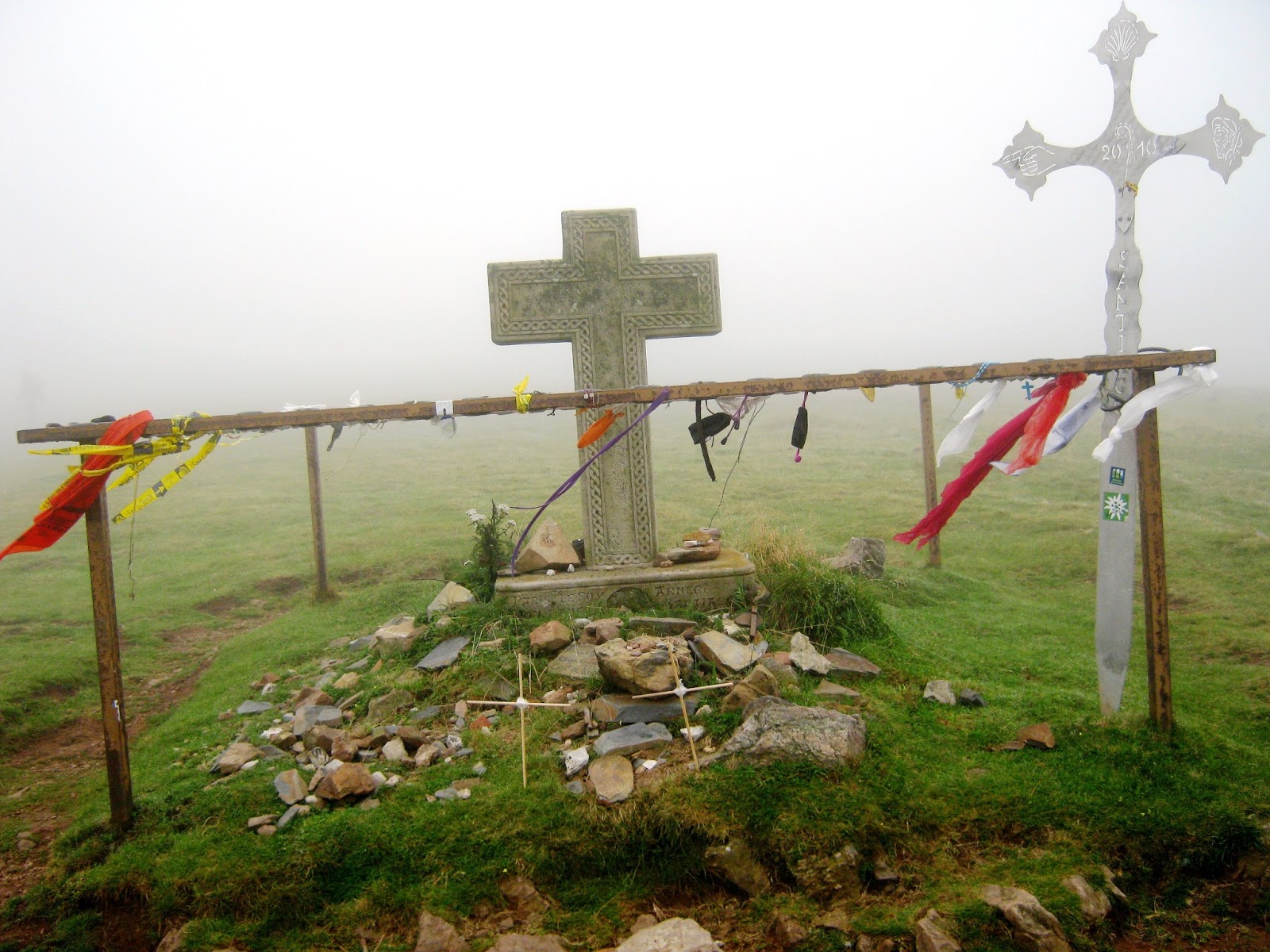
Mentha aquatica - Water mint:
Leaves - raw or cooked. Used as flavouring in salads or cooked foods A herb tea is made from the leaves. A tea made from the leaves has traditionally been used in the treatment of fevers, headaches, digestive disorders and various minor ailments. It is also used as a mouthwash and a gargle for treating sore throats, ulcers, bad breath etc.
Mentha pulegium – Pennyroyal:
A mint herb tea is made from the fresh or dried leaves. Pennyroyal has been used for centuries in herbal medicine. Its main value is as a digestive tonic where it increases the secretion of digestive juices and relieves flatulence and colic. Externally, an infusion is used to treat itchiness and inflamed skin disorders such as eczema and rheumatic conditions such as gout.
Mentha sativa - Ginger mint:
Leaves - raw or cooked. They are used as flavouring in salads or cooked foods and go particularly well with melon, tomatoes and fruit salads. A herb tea is made from the leaves.
Nasturtium offcinale - Watercress:
Mainly used as a garnish or as an addition to salads. The seed can be sprouted and eaten in salads.
Populus nigra - Black poplar:
Inner bark - dried, ground then added to flour and used for making bread etc (A famine food, used when all else fails). Leaf buds are taken internally in the treatment of bronchitis and upper respiratory tract infections, stomach and kidney disorders. They can be put in hot water and used as an inhalant to relieve congested nasal passages. Externally, the bark is used to treat chilblains, haemorrhoids, infected wounds and sprains and internally in the treatment of rheumatism, arthritis, gout, lower back pains, urinary complaints, digestive and liver disorders, debility, anorexia, also to reduce fevers and relieve the pain of menstrual cramps.
Rosmarinus officinalis - Rosemary.
Young shoots, leaves and flowers - raw or cooked. They are used in small quantities as a flavouring in soups and stews, with vegetables such as peas and spinach, and with sweet dishes such as biscuits cakes, jams and jellies. They can be used fresh or dried. A fragrant tea is made from the fresh or dried leaves. Commonly grown in the herb garden as a domestic remedy, used especially as a tonic and pick-me-up when feeling depressed, mentally tired, nervous etc. infusion of the flowering stems made in a closed container to prevent the steam from escaping is effective in treating headaches, colic, colds and nervous diseases. A distilled water from the flowers is used as an eyewash.
The leaves are edible and they were used to prevent scurvy
Sedum album - Small houseleek.
The leaves and stems are applied externally as a poultice to inflammations and are especially recommended for treating painful hemorrhoids
Sempervivum tectorum - Houseleek.
Young leaves and shoots can be eaten raw in salads. The juice of the leaves is used as a refreshing drink and leaves and their juice are used for their cooling and astringent effect, being applied externally to soothe many skin conditions. They are used as a poultice in much the same way as Aloe Vera in the treatment of a wide range of skin diseases, burns, scalds, bites and stings.
Poisonous but the plant is astringent, diaphoretic and diuretic. The juice of the plant is cooling and astringent, it is used as a wash in burns, sores. It makes a good gargle for ulcerated mouths and throats and is also said to take away the pain of a bee sting. Caution is advised here since the plant is poisonous and some people develop a rash from merely touching it.
Young leaves - cooked as a potherb and added to soups are also be dried for winter use. Nettles are a very valuable addition to the diet, very nutritious, easily digested and high in minerals (especially iron) and vitamins (especially A and C). Cooking the leaves, or thoroughly drying them, neutralizes the sting, rendering the leaf safe to eat. A tea is made from the dried leaves; it is warming on a winter’s day.
EMERGENCIES
112 is the Europe-wide emergency number. It works even if you have no money in a pre-paid mobile phone or even if your supplier has no network. It works 24/7 365 days - and the operators speak many languages. The number for the Guardia Civil in
NB: Most of the photographs of plants can be found on www.opsu.edu
| Reactions: |
Tuesday, September 02, 2008
COSTS ON THE CAMINO?
(See at the end of this post suggestions on how to take your money - cards, cash, cheques etc.,)People often ask the question:
"How much should I budget for walking the camino?"
The answer depends on many variables.
1: Are you a poverty stricken student
2: or a middle - of - the - road traveler?
3: Are you an affluent traveler?
4: Are you a budget traveler?
Pilgrims who need to watch every cent can do the camino on a daily budget of about 15 euro. This will mean staying in the 'donativo' albergues - and giving a small donation of about 3 euro (please, give a small donation if you can!): not eating in restaurants or cafe-bars: buying wine, beer or cold drinks in supermecados or markets: preparing your own food in the albergues or eating mainly bread and pasta for a month: not paying to visit museums or other monuments (there are many places that give a pilgrim discount when you produce your credential) and not buying chocolates, ice-creams or other luxuries. Frugal, but it can be done.
If you don't want to stay in the albergues, prefer to eat in restaurants, and can afford hotels, visits to the museums and Cathedrals - your pilgrimage could cost about 100€ a day: 3€ for breakfast: 5 - 10€ for lunch: 10 - 15 € for dinner: 30 - 45€ for a hotel room: plus extras such as wines, beers, cold drinks, sweets, museum and cathedral entry fees. If you are a middle-of-the-road traveler watching your budget, you'll need to decide on these questions:
Will you be camping, staying in refuges or in hotels? Check my post on Refuges/Albergues here
Will you be walking alone or with friends? (If you spend an occasional night in a hotel or fonda [inn] it is cheaper to share a room.)
Will you eat in restaurants or be cooking your own food?
If you intend staying in the refuges (albergues) and eating frugally, there is a way to estimate daily costs.
IN SPAIN
This Spanish website has a calculator to work out how much your camino will cost in Spain.
This simple calculator has been designed so that you can get an idea of costs involved whilst walking the camino from any town to Santiago. It is based on an average price of the albergues (which vary widely by region and between private and public shelters) of 6 euros per night.
Daily expenditure will include the cost of breakfast, lunch, dinner, drinks: the cost of washing and drying clothes in some shelters, and any costs that may arise from a visit to monuments, etc. They estimate an average cost of 24 euros a day. Add this to the 6 euro per night and the total estimate of the cost of walking to
Some 2008 costs:
Beds in albergues: From 3€ in
Beds in a Hostal (small hotel - often on one floor in a multi-storied building) - 30 - 45€
Breakfast in a cafe-bar: 3€
Lunch or Dinner: A few café-bar-cum-restaurants have 3 different prices on their menu.
1) It is cheapest to eat at the bar.
2) You could pay €1 – €1.50 extra to eat at an inside table
3) .. and a further €1 - €1.50 to eat at a table on the terrace outside.
Pan (bread) is often free but some places will put it on the table and then charge you for it if you eat it!
It is sometimes cheaper to drink your coffee at the counter inside the cafe-bar than it is to drink it at a table outside.
Menu del Peregrino or Menu del Dia €7 – €12
Most Menu del Peregrinos include a first and second course, a desert, bread, water and wine.
If you don’t want garlic soup, chicken and fries, or a thin slice of beef steak and fries , it will be cheaper to eat from the al la carte menu.
A Menu del Dia will offer more variety on the courses.
An average restaurant per person bill is 12€. A glass of beer or wine at a bar is 1.50€. A tapa is 2€: a good lunch (menu
Some general prices:
Water – €1 – €1.50
Coke – €2
Vending machine cans – 90c to €1
Vending machine bottle – €1.20 - €1.50
Chocolate bar like mars, kit-kat etc - 45-70c
White wine small glass – €1.50 euro
Red wine small glass – €1.20 Large glass €2
Beer- 50, 60 cents in the shop for 0.33 lt can and €2,50- €3 for 500ml in the bar
Estrella beer (small glass) – €2
Amstel beer (large glass) – €3
Coffee – €1.10 to €1.40
Tortilla – €1.50 to €2
Patatas fritas – €3
Ensalada mixta – €6 – €9
Toasted sandwich – €5
Bocadillo – € 4 (50c with each extra filling)
Pasta – most from €6
Platas Combinados – fish or steak or chicken or pork – from €9
Hamburger – a meat patty on a roll (no extras) from €2.50 to €6
Pan (bread) – 80c to €1
Magnum ice cream – €2
Other ice-cream cups €3.50 – €4
Buying from a Supermecado:
Kilo of tomatoes: €2.50
Loaf of sliced bread - €2.45
Pack of butter - €1.10
Medium jar Nescafe coffee - €2.50
Box of 16 triangles of spreadable cheese- €1,10- €1,50
1 litre fresh milk: 1€
Packet of weetabix (430g) 2.60€
Fresh chicken: 2.60 -4€ per kilo
Pork chops: 5-6 € per kilo
1 kilo bag of potatoes: 70c
Pack of 40 teabags - 2.00€ -2.50€
Tomatoes (summer) 80c per kilo
Green peppers: 1.80€ per kilo
Decent frozen pizza: 3.50€
Spanish cheese - from around 3€ for 250g
Cheddar - from around 6€ for 250g
If you are a smoker:
A packet of 20 Benson & Hedges - €3.55
Other goods:
Bottle of shampoo: €3
Deodorant: €2
These can vary considerably between region, city, town and type of shop.
Small shops open from between 0830 and 0930 (or earlier for food shops) until between 1300 and 1400 and from around 1700 until between 1930 and 2100, Monday to Friday, then from 0930 until 1400 on Saturdays. In some areas shops are closed on Monday mornings. In south
Markets: You have indoor markets, called mercados, permanent street markets and traveling open-air street markets that move from area to area. Often prices can be 20% lower than in shops and remember to take along your bargaining skills!
Markets usually operate from 0900 until 1400 and sell a variety of goods such as: food, flowers, clothes, shoes, crockery, , cookware, linen, ceramics, cassettes/CDs, arts and crafts, household wares, carpets, jewelry, etc. Watch out for well name brands though, as they are usually fakes
An exception is the
Total: 26 euros per day during the 11 stages of the Primitivo del Camino. You must then add the 2 - 3 final stages on the Camino Frances to your costs.
IN FRANCE:
Walking the Via Turonensis I found that costs were almost double that of walking in Spain. This was due mainly to the cost of accommodation.
There are fewer pilgrim refuges in France and your lodging will be in Youth Hostels, Gites, pensions, Chambre d'Hotel etc. Some hotels chains offer cheap accommodation - eg: Formule 1 or Logis:
Where you might pay an average of 6 euros for a pilgrim refuge and 20 - 30 euro for a hotel in Spain you can expect to pay between 12 and 40 euro a night for a bed in France.
EG: In Oloron Ste-Marie on the Arles (Via Tolosana) and Chemin du Piemont Route, you can book a room at the Patchwork-Auberge - 18 rue de Révol, 64 400 Oloron Ste Marie.
Pilgrims, tourists and hikers are welcomed by Danielle and Peter in their 19th century hostel. Pilgrims/walkers :
Accomadation for 4/7 pers -
12 euros/p.pers./night, without sheets/towels
Option breakfast: 5 euros; evening meal 8.50 euros
Rooms : 40-45 € double, 35- 40 € single, 15 euros each additional pers.
Breakfast included (genuine homemade jams and bread). Open: All year
patchworkauberge@orange.fr
Lodging:
Gites cost from 10 to 15 euros ($15 to $22) per night, shared occupancy with communal bath.
B&Bs cost 30 to 60 ($45 to $90) per night, but are not available everywhere. If staying in gites, bring your own towel and a sleeping sack. Blankets and pillows are provided.
Meals: Many gites and some B&Bs offer evening meals for an additional 10 to 30 euros ($15 to $45). Most gites have kitchens where you can cook. All gites offer breakfast, which is often included in the price.
Websites:uk/bed_breakfast s
http://www.federal-hotel.com Federal Hotels
http:/www.logis-de-france.fr Logis Hotels
Thank you to KiwiNomad who passed on this advice:
"One of the best websites I know for accommodation on the Le Puy route is this one:
http://www.
........................................................................................................................................
HOW TO TAKE YOUR MONEY
(I have excluded travelers' cheques because many banks in small villages and towns do not have foreign exchange facilities and do not accept travelers cheques.)
Cash - Credit Card -Travel Money Card
Many small cafe-bars, grocery shops, markets, small hostals and all albergues do not accept credit cards so you will need sufficient cash available to pay for these. Its obviously not wise to carry too much cash, but even though most villages and towns have 'hole-in-the-wall' cash dispensers I prefer not to have to make too many withdawels whilst on holiday.I have done 4 pilgrimages of between 4 and 6 weeks duration. I take 500 euros in cash: have 500 euros in a TravelMoney card, and have money available in a credit card.
Cash:
I keep large denomination notes in a money belt and small denomination notes and coins in a wallet which is attached to my waist bag with a lanyard. This means that I can't leave it on a counter or put it down somewhere.
A TravelMoney Card:
"The Visa TravelMoney card has the security of travelers checks and the convenience of a Visa Debit card designed especially for travelers". (http://usa.visa.com)
It's a prepaid Visa card, which means you
can spend up to the value placed on the card anywhere Visa debit cards are accepted. You can shop in stores, online, over the phone, and by mail order. You can get cash at Visa/PLUS ATMs worldwide. Each time you make a purchase, the amount of that purchase is automatically deducted from the card.Visa TravelMoney can be used at Visa/PLUS ATMs around the world. ATM functionality varies among financial institutions and countries. To get cash at an ATM you should first follow any on-screen directions. If asked which account to access, try selecting “checking”, and if that does not work, use “credit.”
Credit Card: You can use your credit card to pay for any hotels you might stay in, to book transport, to pay for meals in restaurants, and to withdraw cash if needed. Credit cards incur charges that the TravelMoney debit card does not so try to use your cash or withdraw money from your TravelMoney card rather than your credit card.
| Reactions: |
Saturday, August 23, 2008
TRAINING TO WALK THE CAMINO
The routes vary in length from 107km on the Camino Ingles to over 1000km on the Via de la Plata. If you combine a route in France and a route in Spain to reach Santiago, you could be walking 1800km or more.
Most of the trails are cross country: on gravel, dirt, rocks, shale, mud, stones, grassy paths.This is not a walk in the park or on a sidewalk!
If you walk the 800km camino Frances, you will cross three mountain ranges, traverse valleys and riverine hills. The camino Primitivo is shorter (285km) but is one of the most arduous of the camino routes.
You really will need to do some training before setting off on any long distance trail especially one that might take over a month to walk.
People often ask about training: when to start, how much to do in a week, how far to walk. Any training should be specific to the event - i.e: cycling for a cycle race, swimming for a gala, running for a marathon. If you are going to walk the camino then you need to do WALKING training.
How much, how far, how often?
As a regular walker I walk every day with three longish walks of up to 13km each week and a few shorter walks of between 2 and 5kms.Twice a week I walk on the beach and on Saturday and Sunday, I either walk in the suburbs or go on a hike.
I don’t do much extra training until a couple of months before doing a long distance walk. In those months I do longer walks of about 20km each weekend and do back-to-back long walks and hikes over hilly terrain.
I test all my equipment, shoes, socks, shorts, shirts, backpack etc.
Some people think that just being active is
enough or that being a cyclist, swimmer or runner qualifies them physically to do an 800km cross-country trek with ease. Walking uses different muscles – you might get shin splints from walking, and sore quads from running. You will be on your feet for much longer than you are used to so you need to build up stamina and endurance. “Time on your feet” will be much more important than speed and even the fittest runner will be tested doing a long, day after day walk.
Here is an example:
Bruce Fordyce was one of
ultra-distance marathon runners in the 1980’s. He won the Comrades marathon – a grueling 90km race between the two cities of Durban and Pietermaritzburg - eight times in succession, and nine times overall averaging an incredible 5:34. He also won the London to Brighton Marathon for the third time in a row in 1983, setting a world record for 50 miles (80.45 kilometres), and in the same year he set a United States all-comers record in the 50 mile, clocking a ridiculous 4:50:51 in Chicago.
In 1996 Bruce was invited to take part in the 2-day Superb Charity Walk along the 90km Comrades Marathon route to
“I thought that walking Comrades over two days would be a doddle. I’ve always said that walking is for people who can’t run and that runners do not walk, even up the steepest of hills. After 6 hours of walking I hadn’t even reached the half-way mark. Usually by now I have finished the race, had a shower, given an interview and had my first beer.
Here I was, facing Inchanga hill and another 7km to go. At the end of the first day I was aching in places where I didn’t even know I had muscles. I wore my trusty running shoes but had blisters and hot spots that reduced me to a hobble. If I hadn’t made a pledge to walk this event for charity I would not have started the 2nd day.
When I finally reached the end of the 2nd day I couldn’t get over the numbers of middle-aged women all strolling around, smiling, chatting and greeting their loved ones. I could hardly walk let alone stroll and had to be helped into a car. I was in no state to chat and was certainly not smiling. I’ve come to the conclusion that running is for people who can’t walk!”
So you are planning on walking a camino.
If you are not a regular walker, a good walking training program could be the difference between a comfortable, pain-free walk or a hobbling, painful trek.
When to start? If you are a healthy, fairly active person, I think about 4 months before your walk should do the trick. If you are grossly overweight, inactive, or ill - see your doctor before embarking on any training program. You might want to lose weight, go on a course of vitamins or clear up an illness before you start training.
Wiki has these points for starting out:
Motivate yourself. You will have a much harder time walking if you don't want to be out there. You have to want to do this long distance walk.
Start out easy. Depending on the shape you're in, you might be starting with a walk in your local park, or a walk around your house. Start out with a distance you know you can easily walk.
Start building distance. Your walks should eventually start to increase in distance and time. Don't increase these too quickly though. You don't want to walk for fifteen minutes on one day, and then walk two hours the next day. (Buy a pedometer to measure your walks).
When you have reached your target distance repeat it once a week. This will only make your long distance walk seem easier.
Keep walking, and when it is time for your walk, you will be ready.
Other tips:
· listen to your body, let your breathing and heart rate recover before hard efforts;
· be disciplined, make sure you put the effort in;
· try to incorporate hills into your walks and use them for hard walks, not for recovery;
· do not expect immediate results, persevere and improvements will follow.
· Remember to take days off to rest to let your body recover.
· Find a good pair of walking shoes/boots to use on your walks - break them in.
· Keep yourself well nourished and hydrated. Eat high carb foods and drink plenty of water.
· Feel free to use a treadmill, but remember to get outside. Your long distance walk is mostly outdoors.
· Work out to build the other muscles in your body especially shoulders and back.
· Walk with a buddy. Talking to someone during your walk will make it more enjoyable.
· Listening to music on a personal music player or singing marching songs often encourages you to walk further, as you concentrate on the music instead of the distance.
Here are some old favourite walking songs to keep in time whilst you are walking.
Remember to include stretching in your program. Walkers are subject to the same kinds of pulls strains and other problems that runners get. Warming up is usually not a problem as you can get a perfectly fine warm-up by just beginning your walk at a slower pace. It's important to remember that muscles respond best to stretching when they are warm: think how pliable salt water taffy is when it's warm and how brittle and breakable it is when it's cold. Your muscles are like that too. So don't go out on a cold day and begin to stretch. Your stretches are best done either after the workout, or after a thorough warm-up (or both). Remember to take days off to rest to let your body recover.
Here is a16 week training schedule from a trek - training guide: (Click to downlaod the full guide)
Week 1 - 6:
2 x 30mins walks.
1 x 2 hour walk. Full stretch after each walk.
Week 7 & 8:
Sat or Sun: 4 hour walk and stretch
Mon: Rest Day
Tues: 1 hour walk, stretch, exercise circuit x 3, stretch.
Weds: Rest Day
Thurs: 1 hour walk, stretch, exercise circuit x 3, stretch.
Fri: Rest Day
Week 9:
Sat AND Sun: 4 hour walk and stretch. (Back-to-back walks).
Mon: Rest Day
Tues: 1 hour walk, stretch, exercise circuit x 3, stretch.
Weds: Rest Day
Thurs: 1 hour walk, stretch, exercise circuit x 3, stretch.
Fri: Rest Day
Week 10 & 11:
Sat or Sun: 6 hour walk and stretch with backpack
Mon: Rest Day
Tues: 1 hour walk, stretch, exercise circuit x 4, stretch.
Weds: Rest Day
Thurs: 1 hour walk, stretch, exercise circuit x 4, stretch.
Fri: Rest Day
Week 12:
Sat AND Sun: 6 hour walk and stretch. (Back to back with backpack).
Mon: Rest Day
Tues: 1 hour walk, stretch, exercise circuit x 4, stretch.
Weds: Rest Day
Thurs: 1 hour walk, stretch, exercise circuit x 4, stretch.
Fri: Rest Day
Week 13 & 14:
Sat or Sun: 8 hour walk and stretch
Mon: Rest Day
Tues: 1 hour walk, stretch, exercise circuit x 5, stretch.
Weds: Rest Day
Thurs: 1 hour walk, stretch, exercise circuit x 5, stretch.
Fri: Rest Day
Week 15:
Sat AND Sun: 8 hour walk and stretch. (With backpack).
Mon: Rest Day
Tues: 1 hour walk, stretch, exercise circuit x 5, stretch.
Weds: Rest Day
Thurs: 1 hour walk, stretch, exercise circuit x 5, stretch.
Fri: Rest Day
Week 16:
Sat or Sun: 4 hour walk and stretch
Mon: Rest Day
Tues: 1 hour walk, stretch, exercise circuit x 3, stretch
Weds: Rest Day
Thurs: 1 hour walk, stretch, exercise circuit x 3, stretch
Fri: Rest Day
Here you will find more on preparing for your pilgrimage.
Buen Camino!!
| Reactions: |
Tuesday, August 19, 2008
CAMPING ON THE CAMINO
In 2002 two friends and I walked the Camino Frances, and thinking that it might be crowded, took two small tents. We spent two freezing nights camping wild and after about 10 days, "donated" them into a unwanted belongings box in Villamajor de Monjardin! Wild camping is legal in
In any urban area (these areas are prohibited for military or tourist reasons)
Within a 1km of an official campsite.
On tourist beaches
In the "Parques Naturales"
If you are sensible and "wild camp" close to these areas, having some sensitivity to the rules, you can camp almost anywhere in the countryside. It is illegal, however, to make fires so unless you have a camping stove, rather wait until you get to a cafe-bar for your daily fix of cafe-con-leche!
There are few ‘wild’ camping places on the Camino Frances as the route passes through many private and state owned farms and vineyards. However, many albergues with gardens or free land allow pilgrims to camp on their property e.g: Rabanal, La Faba, O Cebreirio .
Most albergues in the towns and cities don't have gardens or yards for camping but they will usually allow you to use their facilities. You could take a shower, make a meal in the kitchen or just chill out chatting to other pilgrims.
There is a chain of private albergues (none charge more than 10 euro per person) where you could spend the night in a twin or 4 person room. Pick up a leaflet along the way - Red de Albergues.
Here are a few useful website.
http://www.camping-spain.net/
http://www.campingbungalow.com
For a map of all the camping sites in
Zoom in to about 400% on the map on page one and look at the green tent icons.
You can also look at page two 'per autonomia' for camping locales.
http://elcaminosantiago.com/PDF/Map_Spain_Campings.pdf

Camino Frances - camp sites
Camping de L’Arradoy: Tel: 05 59 37 11 75 1/3 to 1/10: 25 Persons 2**
Basic campsite. Pets allowed.
Camping Municipal: Tel: 05 59 37 11 19) 53 persons - 1*
Municipal campsite 200m from the town gate. Pets allowed.
Spain - Navarra
Aurizberri-Espinal 2nd: 1/4 to 31/10Urrobi Tel/fax: 948 760 200 http://www.campingurrobi.com/
400 Persons: Adults - 3.96€ Child – 3.19€ Single tent - 3.96€ Group tent – 4.13€
Pets allowed: Restaurant: Cafeteria: Mini-market: Hot water showers: Post & Telephone: Credit cards accepted
Ezcaba – 8.5km from
http://www.campingezcaba.com
Adults – 3.60€ Child – 3.30€ Single tent – 3.60€ Group tent – 4.40€ - Swimming pool, restaurant. Mini-market. Hot showers: Telephone:
Huesca
PUENTE LA REINA – GARES 1st : All Year
Errota-El Molino: Tel: 948 340 604
www.campingelmolino.com info@campingelmolino.com
7km south at Mendigorria: Tent – 4.20€ 1 500 persons: Adults – 4.15€ Children – 3.30€ : Hot showers: Internet: Restaurant: Mini-market:
ESTELLA-LIZARRA 1st: All year
Lizarra: Tel: 948 551 733 Fax: 948 554 755
www.navarra.net.lizarra lizarrakampinga@navarra.net
1 000 persons: Adults – 3.80€ Children – 3.40€ Single tent - 3.80€ Family tent – 4.50€ Pets allowed: Restaurant: Cafeteria: Mini-market: Hot water showers: Post & Telephone: Credit cards accepted
La Rioja
LOGROÑO: 2nd: 9/4 to 30/9
La Playa: Tel/Fax: 941 252 253
www.campinglaplaya.com campinglogrono@terra.es
248 persons: Adults – 4.50€ Children – 4.00€ Single tent – 4.00€ Family tent – 5.00€ Pets allowed: Cafeteria: Hot water showers: Post & Telephone: Credit cards accepted
NAVARRETE: 1st : 8/1 to 9/12
Navarette: Tel: 941 440 169 Fax: 941 440 639
www.fer.es/campings campingnavarrete@fer.es
580 persons: Adults – 4.20€ Children – 3.85€ Single tent - 3.85€ Family tent – 4.20€
No pets allowed: Restaurant: Cafeteria: Mini-market: Hot water showers: Post & Telephone: Credit cards accepted
NAJERA: 3rd : 1/4 to 10/9
El Ruedo: Tel: 941 360 102
154 persons: Adults – 3.75€ Children – 3.50€ Single tent – 3.60€ Family tent – 3.75€ Pets allowed: Restaurant: Cafeteria: Mini-market: Hot water showers: Post & Telephone: Credit cards accepted
SANTO DOMINGO DE LA CALZADA: Open all year
Camping Bánares: Tel: 941 342 804 5km before
Fuentes Blanca: Tel/Fax: 947 486 016
1 100 persons: Adults – 3.70€ Children – 2.60€ Single tent – 3.20€ Family tent – 3.80€ Pets allowed: Restaurant: Cafeteria: Mini-market: Hot water showers: Post & Telephone: Credit cards accepted
CASTROJERÍZ: 2nd : 1/5 - 31/5 y 1/9 – 30/9 (1/6 – 30/8)
Camino de Santiago: Tel: 947 377 255 Fax: 983 359 549
campingcastro@eresmas.com
150 persons: Adults – 3.50€ Children – 2.50€ Single tent – 3.00€ Family tent – 4.00€ No pets allowed: Cafeteria: Hot water showers: Post & Telephone: Credit cards accepted
Palencia
Edén: Tel:979 881 152
289 persons: Adults – 2.40€ Children – 1.80€ Single tent – 2.10€ Family tent – 2.40€ . Hot showers: Cafeteria: Shop: Telephone: Pets allowed. No credit cards.
SAHAGÚN: 2nd : All year
Municipal ‘Pedro Ponce’: Tel: 987 780 415 Fax: 987 781 112
www.campinglacota.com ponce@campinglacota.com
1 100 persons: Adults – 3.70€ Children – 2.60€ Single tent – 3.20€ Family tent – 3.80€ Pets allowed: Post and telephone: Restaurant: Cafeteria: Mini-market: Hot water showers: Post & Telephone: Credit cards accepted
Esla: Tel: 987 310 089 Fax: 987 311 810
http://www.ayto-mansilla.org/media/Tarifas_camping.pdf info@ayto-mansilla.org
168 persons: Adults – 3.70€ Children – 2.60€ Single tent – 3.20€ Family tent – 3.80€ No pets allowed: Hot showers: Restaurant: Cafeteria: No credit cards.
LEÓN: 2nd : 1/6 to 25/9
Golpejar de la Sobarriba: Ciudad de León: Tel: 987 269 086 Fax: 987 214 798
www.vivaleon.com/campingleon.htm camping-leon@yahoo.es
4km from León: 141 persons: Adults – 3.20€ Children – 2.75€ Single tent – 3.50€ Family tent – 3.75€ No pets allowed: Hot showers: Cafeteria: Mini-market: Post and telephone: No credit cards
VILLADANGOS
Camino de Santiago: Tel: 987 680 253
494 persons: Adults – 3.60€ Children – 2.50€ Single tent – 3.00€ Family tent – 3.60€ Pets allowed: Post and telephone: Restaurant: Cafeteria: Mini-market: Hot water showers: Post & Telephone: Credit cards accepted
Don Suero De Quiñones: Tel: 987361018
All facilities: June to September.
SANTA CATALINA DE SOMOZA: 2ND: 15/3 to 15/10
At Santa Colomba de Somoza – bear left on Le142 before reaching
http://www.carbayal.com/b4_en.htm
240 persons: Post and telephone: Restaurant: Cafeteria: Mini-market: Hot water showers: Pets allowed: Post & Telephone: Credit cards accepted
RABANAL DEL CAMINO:
Wild camping possible in a field at Rabanal or the open area just beyond the village: No facilities
O’CEBREIRO:
Wild camping is possible in field at the back of the village.


